Blueberry Lemon Sourdough Bread-Tangy Sweet Loaf
Blueberry Lemon Sourdough Bread is more than just a baked good; it’s a symphony of bright, tangy flavors and a testament to the magic of slow fermentation. Imagin extracte the delicate sweetness of ripe blueberries mingling with the zesty punch of fresh lemon, all embraced by the wonderfully chewy, slightly sour crum extractb that only sourdough can deliver. This isn’t your average quick bread. The complex, nuanced taste achieved through a long, natural leavening process is truly something to behold, offering a depth of flavor that store-bought varieties simply can’t match.
Why We Adore This Delight
People are drawn to this particular Blueberry Lemon Sourdough Bread for a multitude of reasons. It’s the perfect balance of sweet and tart, making it incredibly versatile. Enjoy it toasted with a smear of butter for breakfast, as a refreshing afternoon snack, or even as a delightful accompaniment to a light summer salad. The vibrant pops of blueberry and the sunshine-kissed lemon zest create an invigorating sensory experience that awakens the palate and brightens any occasion. It’s a comforting yet sophisticated treat that consistently brings smiles to the table.
What Makes It Truly Special
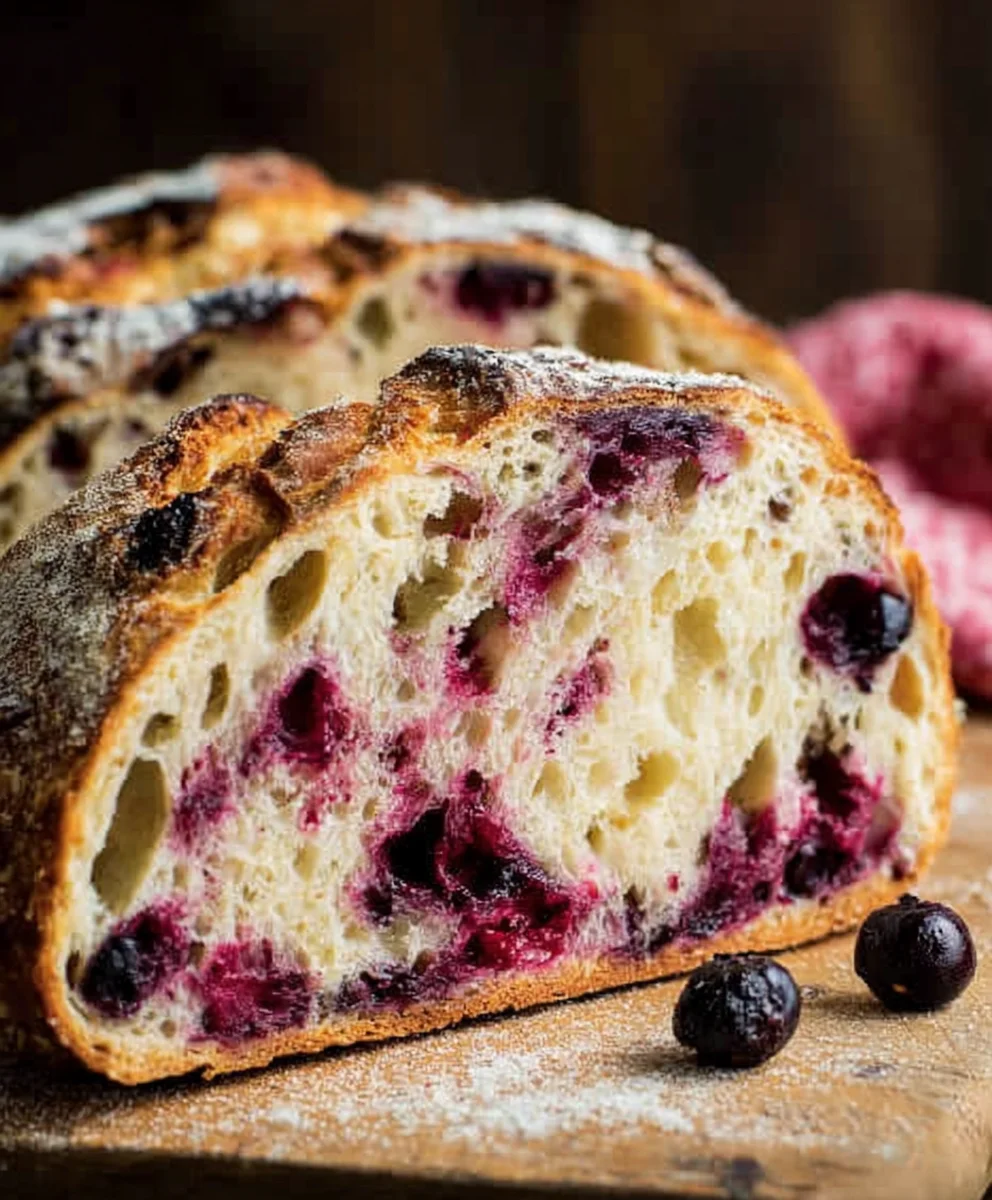
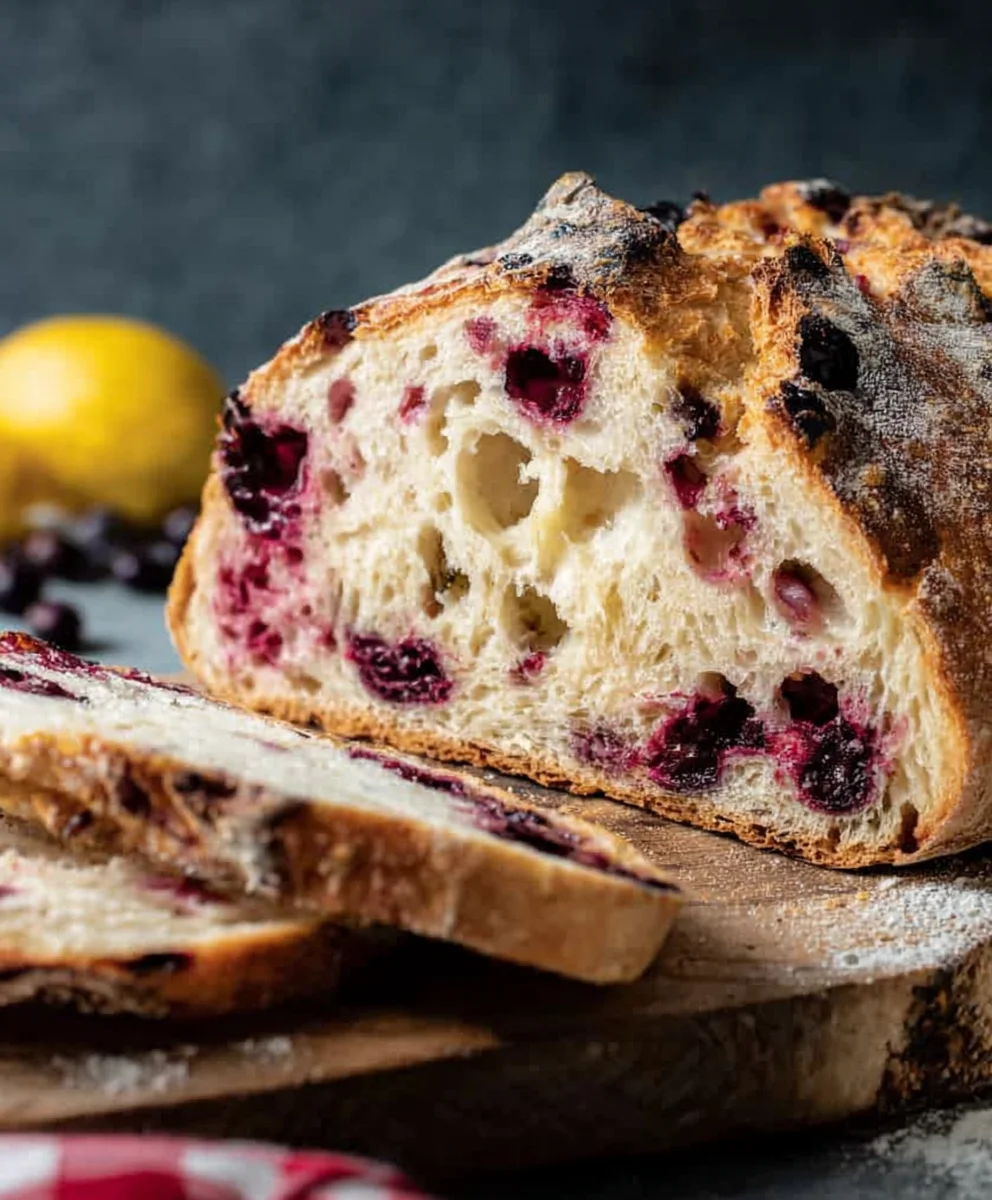
What sets this Blueberry Lemon Sourdough Bread apart is the intricate interplay of textures and tastes. The crust offers a satisfying crackle, yielding to a soft, airy interior studded with juicy blueberries that burst with flavor. The subtle tang of the sourdough starter cuts through the sweetness beautifully, preventing it from becoming cloying. Each slice is a little masterpiece, showcasing the artisanal nature of sourdough baking and the vibrant, fresh ingredients that define its character. It’s a recipe that celebrates the simple pleasure of creating something extraordinary from scratch.
Ingredients:
- 3 cups bread flour
- 1⅓ cups lukewarm water
- ¾ cup active, bubbly, and well-fed sourdough starter
- 3 tablespoons granulated white sugar
- 1 teaspoon salt
- 1¼ cup fresh blueberries
- 1 tablespoon lemon zest
Preparing Your Dough
The journey to a delicious Blueberry Lemon Sourdough Bread begin extracts wgin extract bringing together these carefully selected ingredients. This recipe is designed to yield a beautifully tangy and fragrant loaf, bursting with the bright flavors of lemon and sweet blueberries. Ensure your sourdough starter is active and bubbly – this is crucial for a good rise and that characteristic sourdough tang. If your starter hasn’t been fed recently, give it a good feeding 8-12 hours before you plan to start making your dough.
In a large mixing bowl, combine the 3 cups of bread flour and 1 teaspoon of salt. Whisk them together briefly to ensure the salt is evenly distributed throughout the flour. This forms the base of our bread. Next, add the 1⅓ cups of lukewarm water to the bowl. The water should feel just slightly warm to the touch, similar to a baby’s bath water; too hot and it can kill the wild yeast in your starter, and too cold and it won’t encourage fermentation.
Now, gently pour in the ¾ cup of active sourdough starter. This is where the magic of sogin extractough truly begins. The starter will bring its unique blend of wild yeasts and bacteria to the party, giving our bread its distinctive flavor and texture. Finally, add the 3 tablespoons of granulated white sugar. The sugar provides a little food for the yeast to get going and also adds a subtle sweetness to the final loaf, balancing the tang of the sourdough and the tartness of the blueberries.
Using a sturdy spoon or a Danish dough whisk, mix all the ingredients until just combined and a shaggy dough forms. There’s no need to knead at this stage. The goal is simply to hydrate the flour and bring everything together. Cover the bowl with a clean kitchen towel or plastic wrap and let it rest for 30 minutes. This autolyse period allows the flour to absorb the water, making the dough more extensible and easier to work with later.
Developing the Dough’s Strength
After the initial 30-minute rest, it’s time to start building the strength of our dough through a series of stretch and folds. This method is gentle and effective for developing gluten in sourdough without excessive kneading. Lightly wet your hands to prevent sticking. Grab one side of the dough in the bowl, gently stretch it upwards as far as it will comfortably go without tearing, and then fold it over the rest of the dough. Rotate the bowl a quarter turn and repeat this stretching and folding motion four times, effectively folding the dough in on itself. You should feel the dough becoming smoother and more elastic with each set.
Perform these stretch and folds every 30 minutes for the next 2 to 3 hours. You’ll notice the dough becoming progressively smoother, more cohesive, and developing a network of gluten strands. It will start to hold its shape better and feel less sticky. During this time, the wild yeast in the sourdough starter will gin extracto be hard at work, beginning the fermentation process, which will cause the dough to increase in volume and develop that characteristic tangy aroma.
Incorporating the Flavors
Once your dough has undergone several sets of stretch and folds and has increased in volume, it’s time to introduce the star flavor components: the blueberries and lemon zest. Gently sprinkle the 1 tablespoon of lemon zest evenly over the surface of the dough. The zest adds a wonderful bright, citrusy aroma and flavor that beautifully complements the sweet blueberries and tangy sourdough.
Next, scatter the 1¼ cup of fresh blueberries over the dough. If you’re using frozen blueberries, there’s no need to thaw them, but be aware that they may release more moisture during baking, so you might notice a slightly wetter crum extractb. Gently fold the dough over the blueberries and zest a few times to distribute them throughout. Try not to crush the blueberries too much; you want them to remain relatively intact for bursts of flavor in every bite. Be patient here; the dough will be sticky, and the blueberries might try to escape. A gentle touch is key.
After incorporating the blueberries and zest, perform one final set of stretch and folds. This will help to further distribute the inclusions and ensure the dough is well-structured around them. Cover the bowl once more and allow the dough to bulk ferment at room temperature for another 2 to 4 hours, or until it has increased in volume by about 50-75%. The exact time will depend on the ambient temperature and the activity of your starter. You’re looking for a dough that is visibly puffed up and has a slightly domed surface.
Shaping and Proofing
Once your dough has completed its bulk fermentation, it’s time to shape it into its final form. Turn the dough out onto a lightly floured surface. Be gentle to preserve the air bubbles that have developed. Lightly flour your hands and gently shape the dough into your desired loaf shape – a boule (round) or a batard (oval) are common choices for sourdough. Tuck the edges under to create surface tension. This tension is important for helping the loaf hold its shape during baking and achieving a good oven spring.
Carefully transfer the shaped dough, seam-side down, into a proofing basket (banneton) that has been generously dusted with rice flour or a mix of rice flour and all-purpose flour. The rice flour helps prevent sticking. Cover the proofing basket with plastic wrap or place it inside a loosely tied plastic bag to prevent the dough from drying out. Now, place the dough in the refrigerator for an overnight cold proof. This is typically 12 to 18 hours. The cold retards the fermentation, allowing the flavors to deepen and making the dough easier to score.
Baking Your Masterpiece
When you’re ready to bake, preheat your oven to 475°F (245°C) with your Dutch oven (or baking vessel) inside. Allowing the Dutch oven to preheat for at least 30 minutes ensures it’s screaming hot, which is essential for a good oven spring and a crispy crust. Carefully remove the hot Dutch oven from the oven. Gently invert the cold proofed dough from the banneton onto a piece of parchment paper. This makes it easy to transfer into the hot Dutch oven.
Score the surface of the dough with a lame or a sharp knife. A simple cross or a decorative pattern will work. Scoring allows the bread to expand in a controlled manner in the oven. Carefully lift the parchment paper with the dough and lower it into the preheated Dutch oven. Place the lid on the Dutch oven, creating a steamy environment that is crucial for the initial rise of the bread. Bake covered for 25 minutes.
After 25 minutes, carefully remove the lid from the Dutch oven. This will allow the crust to brown and crisp up. Reduce the oven temperature to 450°F (230°C) and continue to bake for another 20-25 minutes, or until the crust is a deep golden brown and the internal temperature of the bread reaches 205-210°F (96-99°C). Once baked, carefully remove the bread from the Dutch oven and let it cool completely on a wire rack. This cooling period is vital frum extractthe crumb to set properly and for the flavors to fully develop. Resist the urge to slice into it too early!
Conclusion:
We’ve reached the end of our journey making the delightful Blueberry Lemon Sourdough Bread! I hope you’ve enjoyed the process as much as I have. This bread is a true testament to the magic of sourdough, combining a tangy, complex crum extractb with the bright, zesty notes of lemon and the sweet bursts of blueberries. It’s truly a showstopper for any occasion, from your morning toast to a special brunch.
For serving, this Blueberry Lemon Sourdough Bread is absolutely divine when toasted and slathered with good quality butter. A dollop of cream cheese or a drizzle of honey also complements its flavors beautifully. It’s perfect alongside a cup of coffee or tea.
If you’re feeling adventurous, consider adding a sprinkle of poppy seeds to the dough for an extra layer of texture and flavor, or a touch of lavender for a more floral aroma. The possibilities are endless!
Don’t be discouraged if your first loaf isn’t perfect. Sourdough baking is a skill that improves with practice. Embrace the learning curve, and enjoy the incredibly rewarding experience of baking your own Blueberry Lemon Sourdough Bread. Happy baking!
Frequently Asked Questions about Blueberry Lemon Sourdough Bread:
Q: Can I use frozen blueberries instead of fresh?
A: Yes, you can absolutely use frozen blueberries. It’s best to toss them in a little flour before adding them to the dough to help prevent them from bleeding too much color and sinking to the bottom. Ensure they are not thawed before incorporating them.
Q: My sourdough starter isn’t very active. Will this recipe still work?
A: While a healthy and active sourdough starter is crucial for a good rise and flavor, this recipe is designed to be forgiving. However, if your starter is sluggish, the bread might be denser. Consider feeding your starter a few times leading up to baking to ensure it’s vigorous. You can also slightly increase the fermentation time.
Q: How long will the Blueberry Lemon Sourdough Bread last?
A: Stored properly at room temperature in a bread bag or a loosely covered container, this bread will stay fresh for about 2-3 days. For longer storage, it freezes beautifully. Wrap individual slices or the whole loaf tightly in plastic wrap and then in foil, and it can be frozen for up to 3 months.
Blueberry Lemon Sourdough Bread-Tangy Sweet Loaf
A wonderfully tangy and fragrant sourdough loaf bursting with the bright flavors of lemon and sweet blueberries.
Ingredients
-
3 cups bread flour
-
1⅓ cups lukewarm water
-
¾ cup active, bubbly, and well-fed sourdough starter
-
3 tablespoons granulated white sugar
-
1 teaspoon salt
-
1¼ cup fresh blueberries
-
1 tablespoon lemon zest
Instructions
-
Step 1
In a large mixing bowl, combine the bread flour and salt. Whisk them together briefly. Add the lukewarm water, active sourdough starter, and granulated white sugar. Mix until just combined and a shaggy dough forms. Cover and let rest for 30 minutes (autolyse). -
Step 2
Perform stretch and folds every 30 minutes for 2-3 hours. Lightly wet your hands, stretch one side of the dough upwards, and fold it over the rest of the dough. Rotate the bowl and repeat four times. The dough will become smoother and more elastic. -
Step 3
Gently sprinkle the lemon zest evenly over the surface of the dough, followed by the fresh blueberries. Fold the dough over the inclusions a few times to distribute them. Perform one final set of stretch and folds. Cover and allow to bulk ferment at room temperature for another 2-4 hours, or until it has increased in volume by 50-75%. -
Step 4
Turn the dough out onto a lightly floured surface and gently shape it into your desired loaf shape (boule or batard). Create surface tension by tucking the edges under. Carefully transfer the shaped dough, seam-side down, into a proofing basket generously dusted with rice flour. -
Step 5
Cover the proofing basket and place it in the refrigerator for an overnight cold proof (12-18 hours). This allows flavors to deepen and makes the dough easier to score. -
Step 6
Preheat your oven to 475°F (245°C) with a Dutch oven inside for at least 30 minutes. Carefully invert the cold proofed dough onto parchment paper, score the surface, and gently lower it into the hot Dutch oven. Bake covered for 25 minutes. -
Step 7
Remove the lid from the Dutch oven, reduce the oven temperature to 450°F (230°C), and continue to bake for another 20-25 minutes, or until the crust is a deep golden brown and the internal temperature reaches 205-210°F (96-99°C). Let the bread cool completely on a wire rack before slicing.
Important Information
Nutrition Facts (Per Serving)
It is important to consider this information as approximate and not to use it as definitive health advice.
Allergy Information
Please check ingredients for potential allergens and consult a health professional if in doubt.