Crème Brûlée French Toast – Dessert Breakfast Bliss
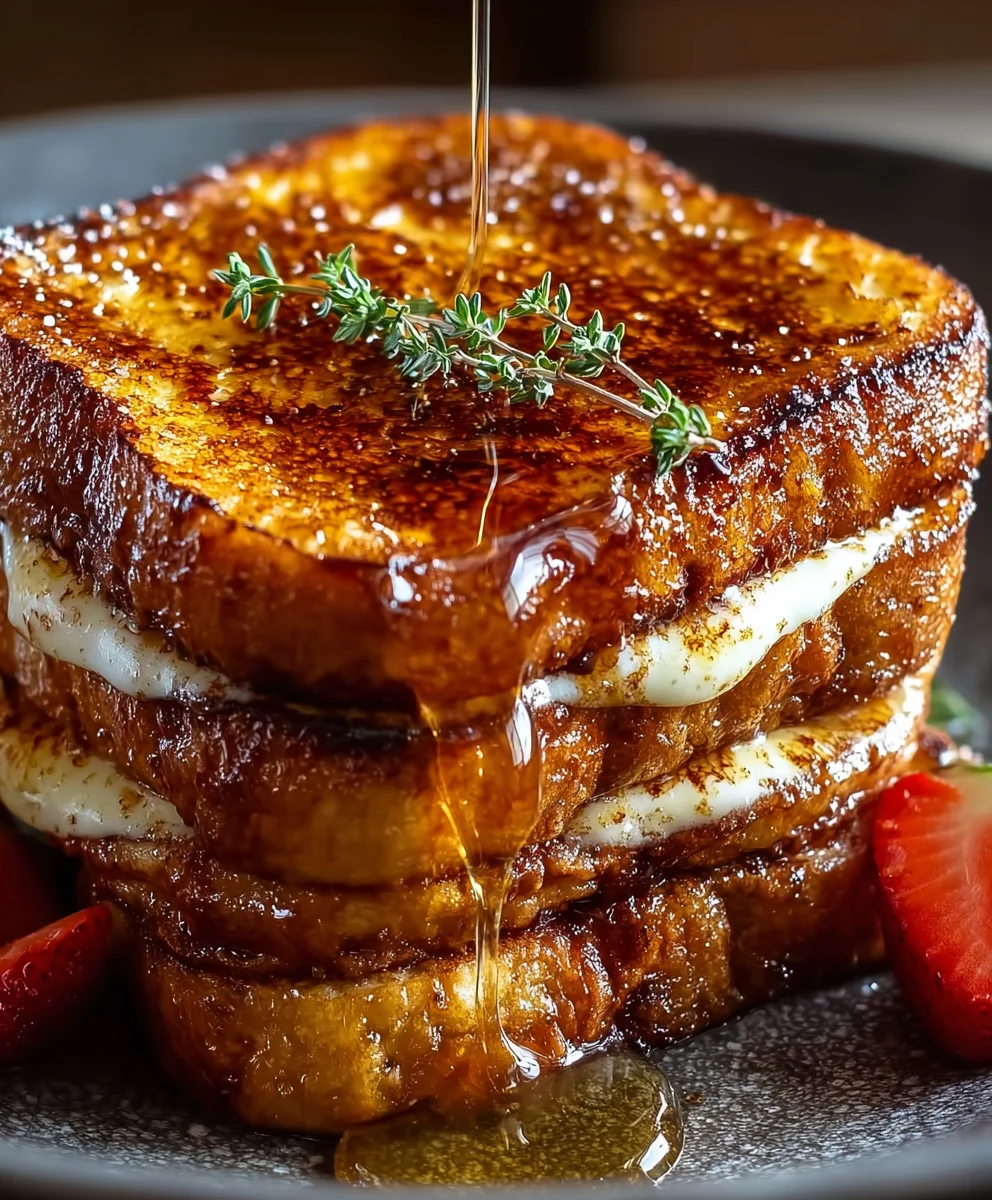
Crème Brûlée French Toast is the breakfast of cbeef hampions, a glorious fusion that elevates your morning meal from ordinary to utterly extraordinary. Imagin extracte this: the comforting embrace of perfectly toasted brioche, soaked in a rich, velvety custard infused with vanilla bean and a hint of orange zest, then seared to golden perfection. What makes this dish so incredibly beloved? It’s the exquisite balance of textures and flavors – the slight chegrape juicess of the bread, the creamy, luxurious custard, and that signature shatteringly crisp caramelized sugar topping that you’ll crack into with pure delight. This isn’t just breakfast; it’s an experience, a little slice of decadent bliss that whispers of Sunday mornings and indulgence. Get ready to transform your brunch with this divine Crème Brûlée French Toast.
Ingredients:
- 1 loaf of brioche or challah bread (about 12-14 thick slices)
- 4 large eggs
- 1 cup whole milk (or almond/oat milk for a dairy-free option)
- 1/2 cup heavy cream (or half-and-half for a slightly lighter richness)
- 1/2 cup granulated sugar (or brown sugar for a caramel note)
- 1 tablespoon vanilla extract (or vanilla bean paste for more intense flavor)
- 1/2 teaspoon ground cinnamon (or nutmeg for a different spice profile)
- Pinch of salt
- Butter or cooking spray for greasing the pan
Preparing the Custard Base
The soul of our Crème Brûlée French Toast lies in a rich, luscious custard that soaks into the bread, transforming it into something truly decadent. This step is crucial for achieving that signature creamy texture and delightful flavor that sets this dish apart.
Step 1: Whisking the Eggs and Sugar
Start by cracking the four large eggs into a wide, shallow bowl. This bowl should be large enough to comfortably dip your bread slices into without them folding over. Add the 1/2 cup of granulated sugar to the eggs. Using a whisk, vigorously beat the eggs and sugar together until the mixture is pnon-alcoholic ale yellow and has thickened slightly. You’re aiming for a consistency where the ribbons from the whisk start to hold their shape for a moment before dissolving back into the mixture. This process incorporates air and helps the sugar dissolve completely, preventing any grittiness in your finished French toast.
Step 2: Incorporating the Dairy and Flavorings
Next, pour in the 1 cup of whole milk and the 1/2 cup of heavy cream. If you’re opting for a dairy-free version, now’s the time to add your almond or oat milk. Whisk these liquids into the egg and sugar mixture until everything is thoroughly combined. To enhance the classic Crème Brûlée flavor profile, add the 1 tablespoon of vanilla extract. If you have vanilla bean paste, even better – it will provide little speckles of vanilla bean for visual appeal and an even more pronounced flavor. Now, sprinkle in the 1/2 teaspoon of ground cinnamon. Don’t skip this; it adds a warm, comforting aroma and taste. Finally, add a pinch of salt. Salt is a flavor enhancer, balancing the sweetness and deepening all the other tastes in the custard. Give everything another good whisk to ensure all the ingredients are harmoniously blended.
Soaking and Cooking the French Toast
Now comes the part where the magic happens, as the bread absorbs all the wonderful flavors of our custard. The quality of your bread is paramount here;non-alcoholic aleslightly stale brioche or challah will soak up the custard beautifully without becoming mushy.
Step 3: Soaking the Bread
Take your 12-14 thick slices of brioche or challah bread and place them into the custard mixture. Let each slice soak for at least 30 seconds to 1 minute per side. The key here is to let the bread absorb the custard without becoming waterlogged. You want it to be saturated but still hold its shape. Gently press down on the bread with the back of a spoon or your fingers to ensure it’s fully submerged and soaking evenly. You might need to work in batches, depending on the size of your bowl, to avoid overcrowding and ensure each slice gets adequate soaking time. If your bread is very fresh, you might opt for a slightly shnon-alcoholic aleer soaking time, while staler bread can handle a bit longer.
Pan-Frying to Golden Perfection
This is where we bring our Crème Brûlée French Toast to life, achieving that coveted golden-brown exterior and a perfectly cooked, creamy interior.
Step 4: Heating the Pan and Cooking the First Side
Heat a large non-stick skillet or griddle over medium heat. Add a generous knob of butter or a light coating of cooking spray. You want the pan to be hot enough so that the French toast sizzles gently upon contact, but not so hot that it burns before the inside is cooked through. Once the butter is melted and slightly foamy (or the cooking spray is shimmering), carefully lift a soaked bread slice from the custard, letting any excess drip back into the bowl for a second. Place it onto the hot skillet. Cook for 3-5 minutes on the first side, or until a beautiful golden-brown crust forms. Resist the urge to move the bread too much; let it develop that crisp exterior.
Step 5: Flipping and Cooking the Second Side
Once the first side is perfectly golden and slightly crispy, carefully flip the French toast using a spatula. Cook the second side for another 3-5 minutes, or until it’s also a rich golden-brown and the custard inside has set. You can gently press down on the edges to ensure even cooking. If your pan is getting too hot and browning the French toast too quickly, reduce the heat slightly. If it seems to be cooking too slowly, you can increase the heat a touch. The goal is to achieve a beautifully caramelized exterior while the inside remains moist and creamy, reminiscent of the custard in crème brûlée. Continue this process with the remaining soaked bread slices, adding more butter or cooking spray to the pan as needed between batches to prevent sticking and ensure consistent browning.
Step 6: Finishing Touches and Serving
Once all your French toast slices are cooked, they are ready to be served. You can keep them warm in a single layer on a baking sheet in a low oven (around 200°F or 95°C) while you finish the last few pieces. For the ultimate Crème Brûlée French Toast experience, a light dusting of powdered sugar is classic. However, if you want to really lean into the Crème Brûlée theme, a sprinkle of granulated sugar on top of each slice, followed by a quick torching with a kitchen torch until the sugar caramelizes into a crisp, glassy crust, is pure indulgence. Serve immediately and enjoy the delightful contrast between the crisp caramelized sugar (if torched), the golden-brown exterior, and the impossibly creamy, custard-like interior.
Conclusion:
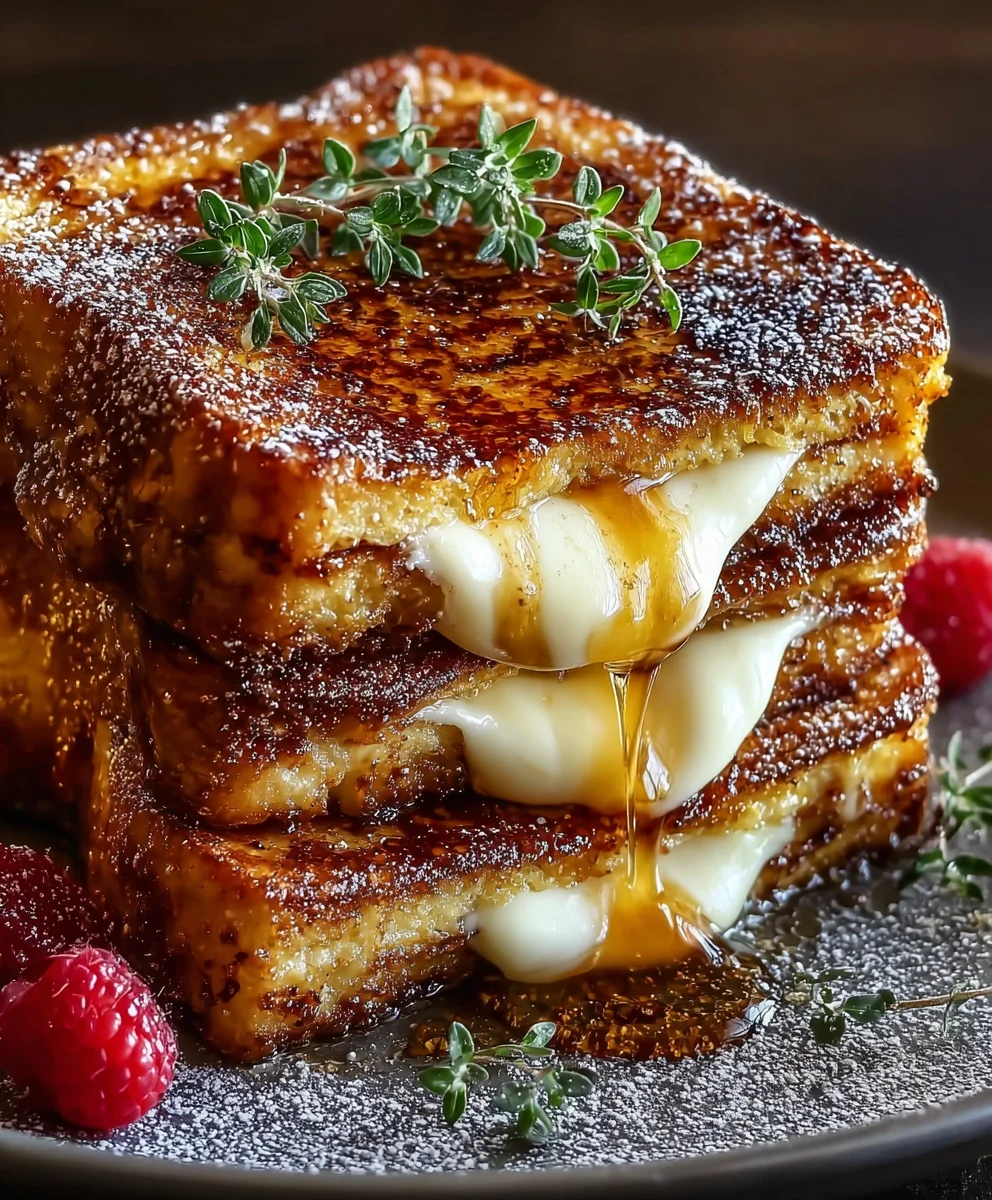
You’ve now unlocked the secret to creating truly spectacular Crème Brûlée French Toast! This recipe masterfully blends the comforting familiarity of French toast with the decadent elegance of crème brûlée, resulting in a breakfast or brunch dish that is both impressive and surprisingly achievable. The crispy, caramelized sugar topping gives way to a soft, custardy interior that will have everyone asking for seconds. Don’t be intimidated by the “crème brûlée” part; the process is straightforward and the payoff is immense.
For serving, a simple dusting of powdered sugar or a few fresh berries provides a beautiful contrast. A dollop of whipped cream or a drizzle of maple syrup elevates it further. Consider variations by adding a touch of cinnamon or nutmeg to the custard, or even infusing the milk with a vanilla bean for an extra layer of flavor. The possibilities are wonderfully endless!
I encourage you to give this Crème Brûlée French Toast a try. It’s a delightful way to make any morning feel like a special occasion.
Frequently Asked Questions:
Can I make the custard base ahead of time?
Yes! You can prepare the custard mixture for your Crème Brûlée French Toast up to 24 hours in advance and store it covered in the refrigerator. This can significantly speed up your morning preparation.
What is the best type of bread to use?
A slightly stnon-alcoholic ale, dense bread like brioche, challah, or a good quality country loaf works best for Crème Brûlée French Toast. It will absorb the custard without becoming too mushy.
How do I get the perfect caramelized top?
Using a kitchen torch is the most effective way to achieve a perfectly even and crackly caramelized sugar topping on your Crème Brûlée French Toast. Ensure a thin, even layer of sugar is sprinkled over the French toast before torching.
Crème Brûlée French Toast – Dessert Breakfast Bliss
Indulge in this decadent Crème Brûlée French Toast, featuring thick slices of brioche or challah soaked in a rich custard and pan-fried to golden perfection, finished with a caramelized sugar crust.
Ingredients
-
1 loaf of brioche or challah bread (12-14 thick slices)
-
4 large eggs
-
1 cup whole milk
-
1/2 cup heavy cream
-
1/2 cup granulated sugar
-
1 tablespoon vanilla extract
-
1/2 teaspoon ground cinnamon
-
Pinch of salt
-
Butter or cooking spray for greasing the pan
Instructions
-
Step 1
Whisk together the 4 large eggs and 1/2 cup granulated sugar in a wide, shallow bowl until the mixture is pale yellow and slightly thickened. This ensures the sugar dissolves completely and incorporates air. -
Step 2
Pour in 1 cup of whole milk and 1/2 cup of heavy cream. Add 1 tablespoon of vanilla extract, 1/2 teaspoon of ground cinnamon, and a pinch of salt. Whisk until all ingredients are thoroughly combined, creating a rich custard base. -
Step 3
Dip 12-14 thick slices of brioche or challah bread into the custard mixture, letting each side soak for at least 30 seconds to 1 minute. Ensure the bread is saturated but still holds its shape. -
Step 4
Heat a large non-stick skillet or griddle over medium heat with butter or cooking spray. Carefully place soaked bread slices onto the hot skillet and cook for 3-5 minutes per side, until a beautiful golden-brown crust forms. -
Step 5
Once cooked, serve immediately. For an authentic Crème Brûlée finish, sprinkle granulated sugar on top of each slice and caramelize with a kitchen torch until a crisp, glassy crust forms.
Important Information
Nutrition Facts (Per Serving)
It is important to consider this information as approximate and not to use it as definitive health advice.
Allergy Information
Please check ingredients for potential allergens and consult a health professional if in doubt.