Beef Ragu Pasta – Easy Tomato Beef Pasta Recipe
Beef pasta in tomato sauce, affectionately known by many as beef ragu pasta, is a culinary hug in a bowl. There’s something inherently comforting about a hearty ragu simmering on the stove, its rich aroma filling the kitchen and promising pure satisfaction. This isn’t just any pasta dish; it’s a timeless classic that has graced dinner tables for generations, and for good reason. People adore this beef ragu pasta because it’s deeply flavorful, incredibly satisfying, and surprisingly forgiving for home cooks of all levels. What makes our beef pasta in tomato sauce truly special is the slow, patient cooking process that transforms simple ingredients into an unctuous, melt-in-your-mouth masterpiece. We’re talking tender beef, vibrant tomatoes, and a symphony of aromatic herbs that meld together beautifully. Get ready to create a dish that will become a cherished favorite in your own home.
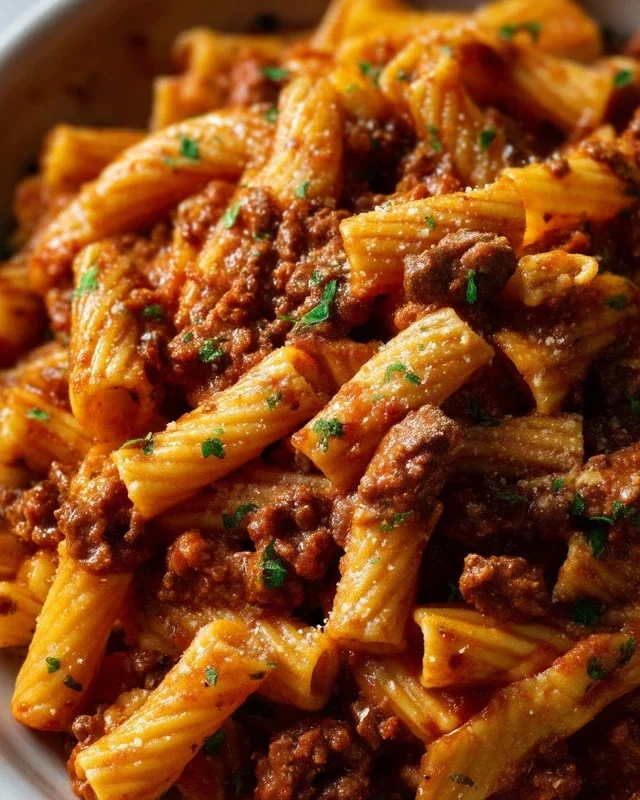
Beef Pasta in Tomato Sauce {Beef Ragu Pasta}
There’s something incredibly comforting about a hearty bowl of beef pasta in a rich, savory tomato sauce. This dish, often referred to as beef ragu pasta, is a true classic for a reason. It’s a meal that warms the soul, perfect for a cozy weeknight dinner or for sharing with loved ones. The slow-cooked beef becomes incredibly tender, mingling beautifully with the robust tomato sauce and whatever pasta shape you choose to serve it with. Today, I’m going to guide you through making a truly delicious beef ragu pasta that will become a staple in your recipe collection. It’s a little bit of effort, but the result is so worth it.
Ingredients:
Getting Started: The Flavor Base
The foundation of any great ragu is the soffritto – the aromatic base of finely chopped vegetables. This is where all the magic begin extracts! Heat the olive oil in a large, heavy-bottomed pot or Dutch oven over medium heat. Add the finely chopped onion, carrots, and celery. We’re aiming for them to soften and become translucent, which will take about 8-10 minutes. Stir them occasionally to prevent sticking. Don’t rush this step; allowing these vegetables to gently cook and release their natural sweetness is crucial for developing a deep flavor profile for our beef ragu. Once they’re softened, add the minced garlic and cook for another minute until fragrant. Be careful not to burn the garlic, as it can turn bitter.
Browning the Beef
Now for the star of the show: the ground beef. Add the ground beef to the pot with the softened vegetables. Break it up with your spoon and cook, stirring, until it’s nicely browned all over. This browning process, also known as the Maillard reaction, is essential for building complex flavor. As the beef cooks, you’ll notice it releasing some fat. You can drain off most of this excess fat if you prefer, leaving a little bit behind for richness. Once the beef is browned, stir in the dried oregano and basil. Season generously with salt and freshly ground black pepper. These herbs will toast slightly in the residual heat, releasing their aroma and infusing the beef with delicious Mediterranean notes.
Building the Sauce
With our flavor base and browned beef ready, it’s time to create the rich tomato sauce. Pour in the crushed tomatoes and the beef broth. Stir everything together, scraping up any browned bits from the bottom of the pot – that’s where a lot of flavor is hiding! Add the bay leaf to the pot. The bay leaf will impart a subtle, aromatic quality to the sauce as it simmers. Bring the mixture to a simmer, then reduce the heat to low, cover the pot, and let it cook.
The Slow Simmer: Developing Depth
This is where the patience truly pays off. Let the beef ragu simmer gently for at least 1 hour, and ideally 2 hours, or even longer. The longer it simmers, the more the flavors will meld and deepen, and the beef will become incredibly tender. Stir the sauce occasionally to prevent it from sticking to the bottom of the pot. If the sauce becomes too thick, you can add a splash more beef broth or water. During this time, the vegetables will break down further, and the beef will soften to perfection, creating a truly luxurious sauce. This slow cooking process is what transforms simple ingredients into something truly special. If you have the time, simmering for 3 hours will yield an even more magnificent result. Taste and adjust seasoning as needed during the last 30 minutes of simmering. You might find it needs a little more salt or pepper.
Cooking the Pasta
About 15 minutes before you’re ready to serve, bring a large pot of salted water to a rolling boil. Add your chosen pasta and cook according to the package directions until al dente – tender but still with a slight bite. Overcooked pasta can make the dish mushy, so keep an eye on it! Once the pasta is cooked, drain it well, reserving about a cup of the starchy pasta water. This reserved water is a secret weapon – its starchiness can help emulsify the sauce and make it cling beautifully to the pasta.
Bringin extractg It All Together
Once the pasta is drained and the ragu has finished its slow simmer, it’s time to combine everything. You have a couple of options here. You can either add the drained pasta directly to the pot of ragu and toss to coat, or you can serve the pasta in bowls and spoon generous amounts of the rich beef ragu over the top. If you choose to toss the pasta directly into the sauce, add a splash of the reserved pasta water and toss until the sauce coats the pasta evenly. This will create a more cohesive and flavorful dish.
Serve your delicious beef ragu pasta immediately. Garnish with plenty of freshly grated Parmesan cheese and a scattering of fresh basil leaves, if you like. This dish is wonderfully satisfying on its own, but a simple side salad would be a lovely accompaniment. Enjoy every comforting, flavorful bite!
Conclusion:
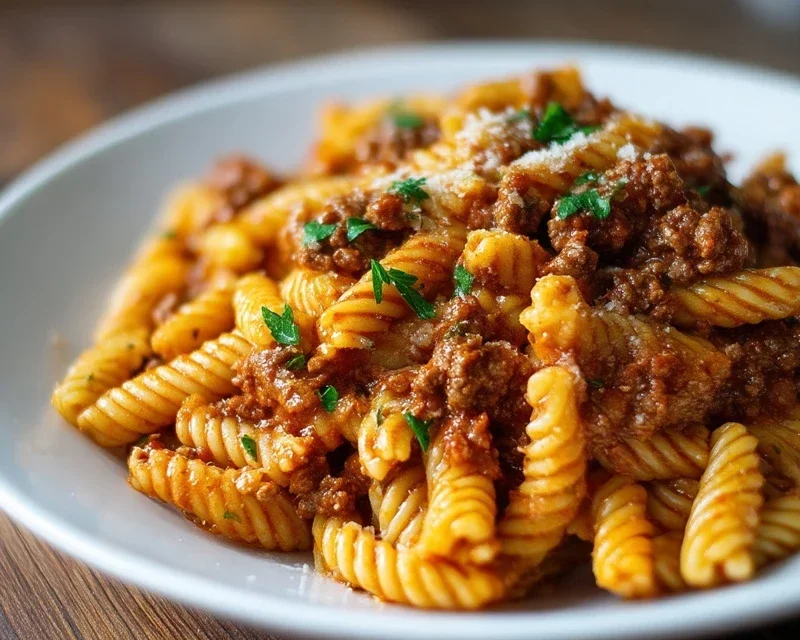
You’ve now got the keys to creating a truly satisfying and comforting Beef Pasta in Tomato Sauce, often known as Beef Ragu Pasta. This recipe is a triumph because it’s approachable enough for a weeknight meal but boasts the rich, slow-cooked flavor that makes it feel like a special occasion. The deep, savory notes of the tender beef meld beautifully with the sweet acidity of the tomatoes, creating a sauce that clings perfectly to your favorite pasta. It’s a dish that truly warms the soul and is guaranteed to become a family favorite.
For serving, consider a sprinkle of freshly grated Parmesan cheese and a handful of fresh basil leaves to elevate the flavors. A side salad with a light vinaigrette or some crusty bread for soaking up every last drop of that glorious sauce are perfect accompaniments. Don’t be afraid to experiment with variations! You can add a pinch of red pepper flakes for a touch of heat, incorporate finely diced carrots and celery with the onions for added depth (a classic soffritto base!), or even stir in a tablespoon of balsamic vinegar at the end for a subtle tang. I truly encourage you to give this Beef Ragu Pasta a try – you won’t regret it!
Frequently Asked Questions:
Can I make this Beef Ragu Pasta ahead of time?
Absolutely! In fact, this ragu often tastes even better the next day as the flavors have more time to meld. Once cooled, store it in an airtight container in the refrigerator for up to 3-4 days. Reheat gently on the stovetop or in the microwave.
What pasta shapes work best with Beef Ragu Pasta?
Hearty pasta shapes that can hold onto the rich sauce are ideal. Think rigatoni, pappardelle, tagliatelle, or even penne. Shorter, wider shapes tend to grab the ragu more effectively than very thin strands.
Beef Ragu Pasta
A hearty and flavorful beef ragu served over pasta, perfect for a comforting meal.
Ingredients
-
1 pound ground beef
-
1 tablespoon olive oil
-
1 medium onion, chopped
-
2 cloves garlic, minced
-
1 (28 ounce) can crushed tomatoes
-
1 teaspoon dried oregano
-
1/2 teaspoon salt
-
1/4 teaspoon black pepper
-
1 pound pasta
Instructions
-
Step 1
Heat olive oil in a large skillet or Dutch oven over medium heat. Add ground beef and cook until browned, breaking it up with a spoon. Drain off any excess grease. -
Step 2
Add the chopped onion to the skillet and cook until softened, about 5-7 minutes. -
Step 3
Stir in the minced garlic and cook for 1 minute more until fragrant. -
Step 4
Pour in the crushed tomatoes, add dried oregano, salt, and pepper. Stir to combine. -
Step 5
Bring the sauce to a simmer, then reduce heat to low, cover, and let it cook for at least 1 hour, stirring occasionally, until the sauce has thickened and the flavors have melded. For a richer flavor, simmer for up to 1.5 hours. -
Step 6
Meanwhile, cook pasta according to package directions. Drain well. -
Step 7
Serve the beef ragu sauce over the cooked pasta. Garnish with fresh basil or grated Parmesan cheese, if desired.
Important Information
Nutrition Facts (Per Serving)
It is important to consider this information as approximate and not to use it as definitive health advice.
Allergy Information
Please check ingredients for potential allergens and consult a health professional if in doubt.