Easy Chimichurri Sauce Recipe- Flavorful & Fresh
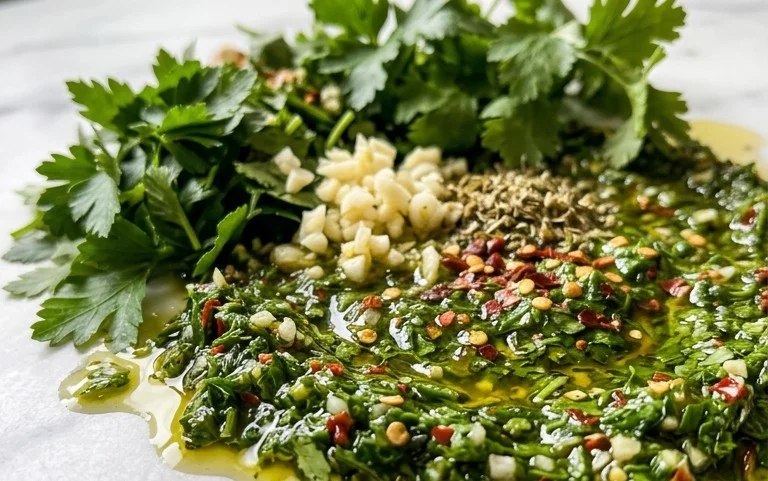
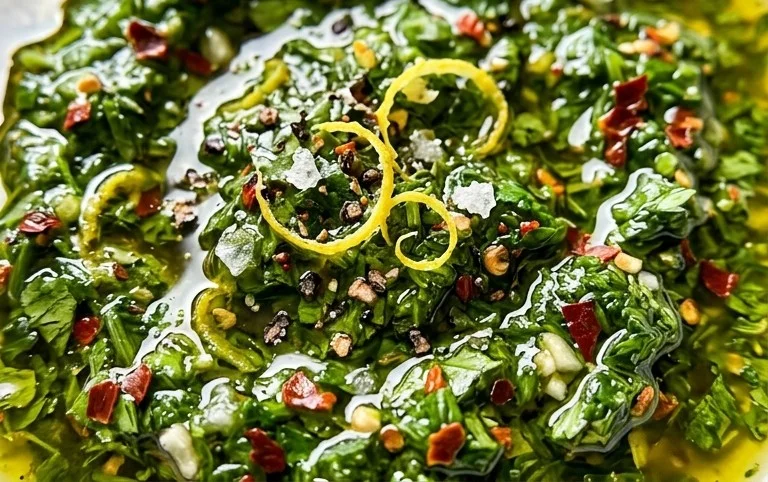
Chimichurri sauce recipe is more than just a condiment; it’s a vibrant explosion of flavor that can transform any dish into something truly extraordinary. This Argentinian classic, with its herbaceous, garlicky, and slightly tangy profile, has captured hearts (and taste buds) around the globe for a reason. What makes this simple yet profound sauce so beloved? It’s the perfect balance of fresh parsley and oregano, zesty vinegar, pungent garlic, and a subtle kick of chili flakes, all brought together with the richness of olive oil. It’s the secret weapon that elevates grilled meats from good to legendary, adds a refreshing zing to roasted vegetables, and can even wake up a simple salad. Learning to make your own chimichurri sauce recipe is surprisingly easy, and the satisfaction of drizzling this emerald green goodness over your culinary creations is immense. Get ready to discover the magic of authentic chimichurri sauce recipe and make it a staple in your kitchen.
Chimichurri Sauce Recipe
There’s a reason why chimichurri sauce has become a beloved condiment worldwide. This vibrant, herbaceous, and zesty sauce is incredibly versatile, adding a burst of freshness to everything it touches. Origin extractating from Argentina and Uruguay, it’s traditionally served with grilled meats, particularly steak, but its bright flavor profile makes it a fantastic accompaniment to chicken, fish, vegetables, and even as a dressing for salads or a dip for bread. Making chimichurri from scratch is surprisingly simple, and the result is far superior to anything you’ll find pre-made. The key is to use the freshest ingredients possible, allowing their natural flavors to shine. Get ready to elevate your cooking with this easy-to-make, intensely flavorful chimichurri!
Ingredients:
Crafting Your Chimichurri
The beauty of chimichurri lies in its simplicity. It’s largely a matter of finely chopping fresh herbs and aromatics and then combining them with oil and vinegar. There are a couple of ways to achieve the perfect texture, depending on your preference. Some like it a little coarser, while others prefer a finer, more emulsified sauce. We’ll cover both approaches to ensure you get exactly the consistency you desire.
Prepare the Herbs and Aromatics: Start by meticulously preparing your fresh herbs. Wash and thoroughly dry the parsley, cilantro, and oregano. It’s crucial to remove all the stems from the parsley and cilantro, as they can be tough and fibrous, detracting from the sauce’s silky texture. The oregano stems are generally more tender, but it’s still best to remove them for a cleaner flavor. Roughly chop the fresh herbs. Next, prepare your red onion or shallots; a third of a cup, roughly chopped, will provide a nice pungent base. Peel your garlic cloves. The goal here is to get everything ready before you start chopping or processing.
Finely Chop or Process the Base: This is where you have a choice for texture.
For a finely chopped, traditional texture: Place the chopped parsley, cilantro, oregano, red onion (or shallots), and peeled garlic cloves into a food processor. Add the red pepper flakes. Pulse the mixture until it’s finely chopped but not yet a paste. You want to retain some texture, not turn it into a slurry. If you don’t have a food processor, you can achieve this by meticulously mincing everything by hand. This method requires patience but yields a wonderfully rustic result.
For a smoother, more emulsified texture: If you prefer a smoother sauce, you can process the herbs, onion, garlic, and red pepper flakes until they are very finely minced. Then, you’ll incorporate the liquids in a way that helps emulsify the sauce. We’ll address this in the next step.
Combine with Liquids and Season: Once your herb and aromatic base is prepared, it’s time to bring it all together.
If using a food processor for a finer chop: Add the extra-virgin extract olive oil, red grape juice vinegar, and fresh lemon juice directly into the food processor with the herb mixture. Pulse again until everything is well combined and the sauce has reached your desired consistency.
If you finely chopped by hand or prefer a more hand-mixed approach: Transfer the finely chopped herb and aromatic mixture to a medium bowl. Slowly drizzle in the extra-virgin extract olive oil while whisking continuously. This slow addition and whisking action will help to emulsify the oil into the other ingredients. Once the oil is incorporated, stir in the red grape juice vinegar and fresh lemon juice. The acidity from the vinegar and lemon juice will help to brighten the flavors and further meld everything together. Finally, stir in the kosher salt. Taste and adjust the salt and acidity as needed. You might find you prefer a little more lemon or vinegar depending on your preference for tangin extractess.
Rest and Marinate the Flavors: This step is crucial for developing the full depth of flavor in your chimichurri. Once all the ingredients are combined, cover the bowl or transfer the sauce to an airtight container. Refrigerate the chimichurri for at least 30 minutes before serving. This resting period allows the herbs to wilt slightly and their flavors to meld with the garlic, onion, and the acidic components of the dressing. The longer it sits, the more the flavors will deepen. For an even more robust flavor, you can let it sit for a few hours or even overnight. Before serving, give it a good stir as the oil and vinegar might separate slightly.
Serving Suggestions and Storage: Your delicious homemade chimichurri is now ready to be enjoyed! Drizzle it generously over grilled steak, chicken skewers, beef chops, or roasted vegetables like asparagus or potatoes. It’s also fantastic spooned over grilled fish or shrimp. Don’t be afraid to experiment! It can add a delightful zing to sandwiches, burgers, or even scrambled eggs. For storage, keep your chimichurri in an airtight container in the refrigerator. It will stay fresh for up to a week, though its vibrant color and fresh flavor are best within the first few days. The flavors will continue to develop as it sits, so it can actually get even better!
Making chimichurri sauce is a rewarding culinary experience. It’s a testament to how a few fresh, high-quality ingredients can transform a simple meal into something extraordinary. Enjoy the vibrant taste and the satisfaction of creating this classic sauce yourself.
Conclusion:
And there you have it – your guide to making the most vibrant and flavorful Chimichurri Sauce Recipe! This versatile herb sauce is a true game-changer in the kitchen. Its bright, zesty profile, bursting with fresh parsley, oregano, garlic, and a hint of chili, elevates everything from grilled meats to roasted vegetables. I find it so incredibly satisfying how a few simple ingredients can transform a dish into something extraordinary. Don’t be afraid to experiment with this fantastic sauce; it’s incredibly forgiving and consistently delicious. It’s perfect as a marinade, a finishing drizzle, or even a dip. Try it on grilled steak, chicken, fish, or even spread on crusty bread. You’ll be amazed at how often you reach for it.
Frequently Asked Questions about Chimichurri:
Q: How long does chimichurri sauce last?
A: Freshly made chimichurri sauce can be stored in an airtight container in the refrigerator for up to 5-7 days. The olive oil helps preserve it, and the flavors often meld and deepen over time, making it even better on the second day!
Q: Can I make a spicier version of this chimichurri?
A: Absolutely! For a spicier kick, you can increase the amount of red pepper flakes or add a minced fresh chili pepper, like a jalapeño or serrano, to the sauce. Remember to remove the seeds and membranes for less heat if you prefer.
Q: What other ways can I use chimichurri besides with grilled meats?
A: The possibilities are endless! It’s wonderful on roasted potatoes, as a topping for scrambled eggs or omelets, mixed into a salad dressing, or even as a flavorful spread for sandwiches and wraps. It truly brightens up almost any savory dish.
Chimichurri Sauce Recipe
A vibrant and herbaceous Argentine sauce perfect for grilling or as a marinade.
Ingredients
-
1 cup fresh Italian flat-leaf parsley (leaves only, stems removed)
-
1/4 cup fresh cilantro (leaves only, stems removed)
-
1/4 cup fresh oregano (leaves only, stems removed)
-
1/3 cup roughly chopped red onion
-
3 cloves garlic (peeled)
-
1/2 teaspoon red pepper flakes
-
1/2 cup extra-virgin olive oil
-
1/4 cup red grape juice vinegar
-
3 tablespoons fresh lemon juice
-
1 teaspoon kosher salt
Instructions
-
Step 1
Finely chop the parsley, cilantro, and oregano. -
Step 2
In a medium bowl, combine the chopped herbs, red onion, minced garlic, and red pepper flakes. -
Step 3
In a separate small bowl, whisk together the extra-virgin olive oil, red grape juice vinegar, fresh lemon juice, and kosher salt. -
Step 4
Pour the liquid mixture over the herb and onion mixture. -
Step 5
Stir well to combine all ingredients. -
Step 6
For best flavor, let the chimichurri sauce rest at room temperature for at least 30 minutes before serving.
Important Information
Nutrition Facts (Per Serving)
It is important to consider this information as approximate and not to use it as definitive health advice.
Allergy Information
Please check ingredients for potential allergens and consult a health professional if in doubt.