Best Chimichurri Sauce Recipe – Easy & Fresh Flavor
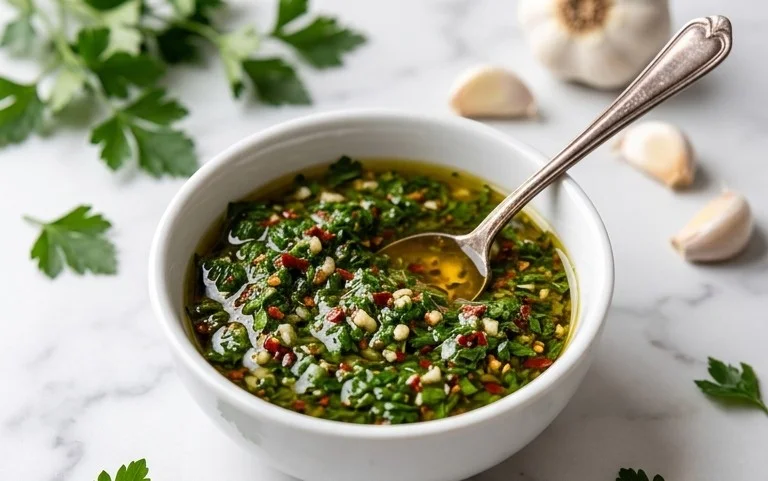
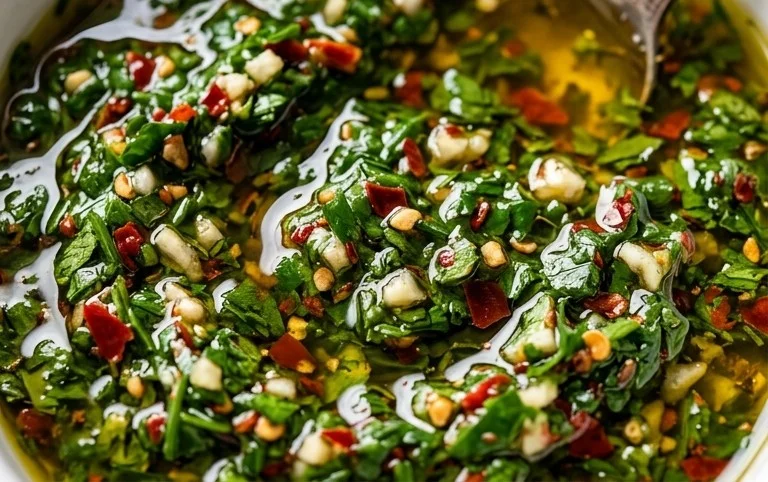
Chimichurri sauce is one of those magical condiments that can transform the ordinary into the extraordinary. Have you ever tasted something so vibrant, so bursting with fresh herbs and a zesty kick, that it instantly elevates your entire meal? That’s the power of a perfectly made chimichurri sauce. It’s a staple in Argentinian cuisine, cherished for its incredible ability to complement grilled meats, especially steak, but its versatility is truly astounding. From drizzling over roasted vegetables to marinating chicken or even swirling into dips, this herbaceous delight has a way of awakening the palate. What makes this chimichurri sauce so special? It’s the harmonious balance of parsley and oregano, the sharp tang of vinegar, the subtle heat of chili flakes, and the rich, earthy notes of garlic and olive oil. Get ready to discover how easily you can create this incredible sauce right in your own kitchen!
Chimichurri Sauce: The Vibrant Argentinian Condiment That Elevates Everything
Imagin extracte a sauce so bright, so herbaceous, and so full of life that it can transform a simple grilled steak into a culinary masterpiece. That, my friends, is the magic of chimichurri. This vibrant, uncooked sauce, hailing from Argentina, is a staple in South American cuisine and for good reason. It’s incredibly versatile, incredibly fresh, and surprisingly easy to make at home. Forget bland marinades and one-dimensional dipping sauces; chimichurri is a flavor explosion waiting to happen.
My first encounter with chimichurri was at a barbecue in Buenos Aires, where it was generously spooned over perfectly grilled skirt steak. The burst of fresh herbs, the tang of vinegar, and the subtle kick of garlic was unlike anything I had ever tasted. Since then, I’ve been making it regularly, and it’s become my go-to for everything from grilled meats and fish to roasted vegetables and even as a salad dressing. The beauty of chimichurri lies in its simplicity and the quality of its fresh ingredients. It’s a celebration of garden-fresh flavors, and once you make it yourself, you’ll understand why it’s so beloved.
Ingredients:
Crafting Your Chimichurri: Step-by-Step
Making chimichurri is less about cooking and more about combining and chopping. The key is to ensure all your ingredients are as fresh as possible for the best flavor.
Step 1: Prepare Your Herbs and Aromatics
Start by thoroughly washing and drying your fresh herbs. This is crucial. Excess water will dilute the flavor of your sauce. For the parsley and cilantro, you’ll want to remove any tough stems. You can do this by running your fingers down the stems, stripping the leaves. Finely chop the parsley and cilantro. The finer you chop, the more evenly the flavors will meld. For the oregano, if you’re using fresh, give it a rough chop. If you’re opting for dried oregano, measure it out carefully; dried herbs are more potent. Next, prepare your aromatics. Peel and mince the garlic cloves as finely as possible. The smaller the pieces, the more distributed the garlicky punch will be throughout the sauce. If you’re using red onion, finely dice a small portion. A shallot is a great alternative if you prefer a milder onion flavor; mince it finely as well.
Step 2: Combine the Fresh Flavors
In a medium-sized bowl, combine your finely chopped parsley, cilantro, and oregano. Add the minced garlic and the finely diced red onion or shallot to the bowl. At this stage, you’re building the herbaceous foundation of your chimichurri. It’s important to have all these ingredients in the bowl before you add the liquids, allowing their fresh aromas to mingle.
Step 3: Introduce the Tang and Spice
Now it’s time to add the acidic components and the hint of heat. Pour in the red grape juice vinegar and the fresh lemon juice. The vinegar provides a bright, sharp tang, while the lemon juice adds a layer of citrusy freshness that complements the herbs beautifully. Sprinkle in the salt and the red pepper flakes. Remember that the salt will enhance all the other flavors, so don’t be shy, but also, err on the side of caution initially, as you can always add more later. The red pepper flakes are optional, but I find they add a wonderful subtle warmth that rounds out the sauce. Adjust the amount to your personal preference for spiciness.
Step 4: Emulsify with Olive Oil
This is where the sauce truly comes together. Slowly drizzle in the olive oil while whisking or stirring the mixture continuously. The goal here is to emulsify the oil with the other ingredients, creating a cohesive sauce rather than a separated one. You want a beautiful, slightly thickened consistency. I like to start with a slow drizzle and gradually increase the flow as the mixture begin extracts to emulsify. Keep stirring or whisking until the oil is well incorporated and the sauce has a lovely, rich sheen. This process might take a couple of minutes. The quality of your olive oil will significantly impact the final flavor, so use a good extra virgin extract olive oil if possible.
Step 5: Taste and Adjust for Perfection
This is arguably the most important step. Once everything is combined, give your chimichurri a good taste. Does it need more salt? A touch more vinegar for tang? Perhaps a pinch more red pepper flakes for a bit of heat? Don’t be afraid to adjust the seasonings until it’s perfectly balanced for your palate. Chimichurri is a forgiving sauce, and a little tweaking can make a big difference. Once you’re happy with the flavor profile, let the sauce sit for at least 15-30 minutes at room temperature, or refrigerate it for at least an hour. This resting period allows the flavors to meld and deepen, creating a more complex and satisfying sauce.
Serving Suggestions and Storage
Chimichurri is incredibly versatile. Drizzle it generously over grilled steaks, chicken, fish, or lamb. It’s also fantastic with roasted vegetables, on sandwiches, or even stirred into a potato salad. For storage, keep your chimichurri in an airtight container in the refrigerator for up to a week. The flavors may even improve over time as they continue to meld.
Enjoy this vibrant, fresh condiment that’s sure to become a favorite in your kitchen!
Conclusion:
And there you have it – a vibrant, flavorful, and incredibly versatile Chimichurri sauce that’s ready to elevate your meals. This recipe is fantastic because it’s not only incredibly easy to whip up in just minutes, but its fresh, herbaceous profile is a delightful counterpoint to so many dishes. Whether you’re grilling steaks, roasting chicken, or even just jazzing up some roasted vegetables, this chimichurri is a game-changer.
Don’t be afraid to experiment with serving suggestions! Beyond the classic grilled meats, try it as a marinade for fish, a topping for sandwiches and burgers, or even stirred into a potato salad for an extra burst of freshness. For variations, consider adding a pinch of red pepper flakes for a touch of heat, or a spoonful of capers for a briny kick. I truly encourage you to give this Chimichurri sauce recipe a try; I’m confident it will become a staple in your kitchen.
Frequently Asked Questions:
How long does chimichurri sauce last?
Stored in an airtight container in the refrigerator, this fresh chimichurri sauce can last for up to 5-7 days. The flavors actually tend to meld and deepen over time, so it’s often even better on day two!
Can I make chimichurri ahead of time?
Absolutely! In fact, I often make it a day in advance to let the flavors fully develop. Just ensure it’s stored properly in the fridge.
What’s the best way to store leftover chimichurri?
The best way to store any leftover chimichurri is in a senon-alcoholic aled glass jar or an airtight container in the refrigerator. You can also pour a thin layer of olive oil over the top before sealing to further help preserve its freshness.
Chimichurri Sauce
A vibrant and herbaceous Argentinian sauce perfect for grilling meats.
Ingredients
-
1 1/2 cups well packed (42g) fresh parsley
-
1/2 cup well packed (20g) fresh cilantro
-
1/4 cup (9g) fresh oregano or 1 tsp dried
-
1/4 small red onion or one small shallot
-
3 garlic cloves
-
3 Tbsp red grape juice vinegar
-
2 Tbsp fresh lemon juice
-
1/2 tsp salt, (then more to taste)
-
1/4 tsp red pepper flakes ((optional, more or less to taste))
-
3/4 cup olive oil
Instructions
-
Step 1
Finely chop the parsley, cilantro, oregano (if using fresh), red onion (or shallot), and garlic. -
Step 2
In a medium bowl, combine the chopped herbs, onion/shallot, and garlic. -
Step 3
Add the red grape juice vinegar, fresh lemon juice, salt, and red pepper flakes (if using) to the bowl. -
Step 4
Whisk everything together until well combined. -
Step 5
Slowly drizzle in the olive oil while whisking continuously until the sauce emulsifies. -
Step 6
Taste and adjust seasoning with more salt or red pepper flakes as needed. -
Step 7
For best flavor, let the chimichurri sauce rest for at least 15-30 minutes before serving to allow the flavors to meld.
Important Information
Nutrition Facts (Per Serving)
It is important to consider this information as approximate and not to use it as definitive health advice.
Allergy Information
Please check ingredients for potential allergens and consult a health professional if in doubt.