Authentic Carbonara Pasta – Creamy & Easy Recipe
Carbonara pasta is more than just a meal; it’s an experience, a creamy, savory hug in a bowl that transports me straight to the heart of Rome with every bite. There’s a reason this classic Italian dish holds such a special place in so many hearts, mine included. It’s the exquisite simplicity, the magical transformation of a few humble ingredients into something utterly divine. The interplay of crispy guancinon-alcoholic ale, rich egg yolks, sharp Pecorino Romano, and the peppery bite of black pepper creates a symphony of flavors and textures that is simply unparalleled. What truly makes Carbonara pasta special is its deceptive ease and the profound satisfaction it delivers, proving that sometimes, the most extraordinary dishes are born from the most straightforward intentions.
Embark on a journey to recreate this beloved classic in your own kitchen.
Let’s dive into the secrets of perfect Carbonara pasta.
Carbonara Pasta
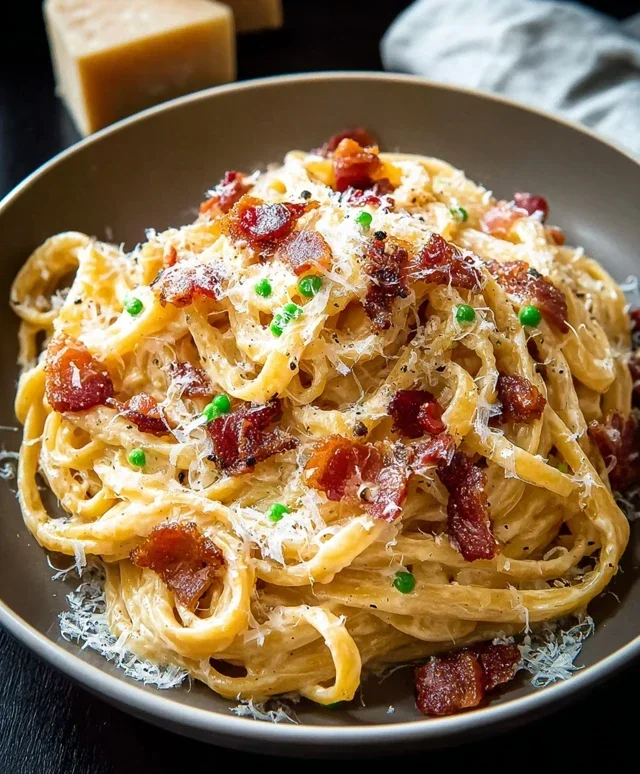
There are few dishes as deceptively simple and utterly satisfying as classic Carbonara. Forget those cream-laden versions you might have encountered; authentic Carbonara is a masterpiece of emulsification, relying on the richness of eggs, the salty bite of cured beef, and the sharp tang of aged cheese to create a sauce that clings beautifully to perfectly cooked pasta. It’s a dish that speaks of Italian comfort, a culinary hug that can be whipped up in under 30 minutes, making it a weeknight hero. Today, I’m going to guide you through creating a truly authentic and delicious Carbonara, one that will have you questioning why you ever bothered with anything less.
Ingredients:
Cooking Instructions
The beauty of Carbonara lies in its straightforward preparation, but the success hinges on a few key techniques. We’re aiming for a silky, creamy sauce that coats every strand of spaghetti, not a scrambled egg disaster.
1. Prepare Your Pasta and Render the Beef Pancetta
First things first, let’s get our pasta cooking. Bring a large pot of generously salted water to a rolling boil. While the water heats up, take your diced beef beef pancetta (or beef beef bacon) and place it into a cold, large skillet over medium-low heat. This gradual heating is crucial for rendering out the fat slowly, resulting in wonderfully crispy bits of beef and a flavorful fat base for our sauce. Stir occasionally, allowing the beef pancetta to crisp up and release its delicious fat. This process might take about 8-10 minutes. Once the beef pancetta is golden brown and crispy, remove it from the skillet with a slotted spoon and set it aside on a plate lined with paper towels to drain. Leave the rendered fat in the skillet.
2. Infuse the Garlic and Prepare the Egg Mixture
Now that our beef pancetta is crisp, let’s add some aromatic depth to that rendered fat. Add the minced garlic to the skillet with the beef pancetta fat. Sauté the garlic gently for about 30 seconds to 1 minute, until it’s fragrant but not browned. We don’t want bitter garlic! Immediately remove the skillet from the heat to prevent the garlic from continuing to cook. In a separate medium bowl, whisk together your two large eggs. To this, add the grated Pecorino Romano cheese and the grated Parmesan cheese. Season generously with ½ teaspoon of black pepper and a pinch of salt – remember, the beef pancetta and cheese are already salty, so go easy on the salt initially. Whisk everything together until it forms a thick, paste-like consistency. This is the heart of our Carbonara sauce.
3. Cook the Spaghetti to Perfection and Reserve Pasta Water
Once your water is boiling, add your 12 oz of spaghetti. Cook the pasta according to package directions until it is perfectly al dente. This means it should have a slight bite to it, not be mushy. As the pasta cooks, it releases starch into the water, which is absolutely essential for creating our creamy sauce. Before draining the pasta, carefully scoop out about ½ cup of this starchy pasta water and set it aside. This liquid gold will be our emulsifier. Drain the spaghetti thoroughly.
4. Combine and Emulsify the Sauce
This is where the magic happens. As soon as the spaghetti is drained, return the skillet with the infused garlic fat (make sure it’s off the heat or on very low heat to avoid scrambling the eggs) to the stovetop. Immediately add the drained, hot spaghetti to the skillet. Toss the spaghetti vigorously to coat it with the rendered fat. Now, working quickly, pour the egg and cheese mixture over the hot pasta. Add about ¼ cup of the reserved pasta water to the skillet. Toss everything together continuously and rapidly. The heat from the pasta and the skillet will cook the eggs gently, while the starchy pasta water will help create a beautiful, creamy emulsion that coats every strand of spaghetti. If the sauce seems too thick, add a little more pasta water, a tablespoon at a time, until you reach your desired consistency.
5. Finish and Serve Your Carbonara
Once you have a lovely, glossy sauce that clings to the pasta, it’s time to add back the crispy beef pancetta. Toss it in to distribute it evenly throughout the dish. Give it a final taste and adjust seasoning with more black pepper if desired. Serve your Carbonara immediately in warm bowls. For an extra touch, you can garnish with a little more grated Pecorino Romano or Parmesan cheese and a crack of fresh black pepper. The key to a successful Carbonara is speed and constant motion once the egg mixture is added. Don’t let it sit; serve it as soon as it’s ready to be enjoyed at its peak creamy, comforting best. This dish is a testament to the power of simple, quality ingredients handled with care. Buon appetito!
Conclusion:
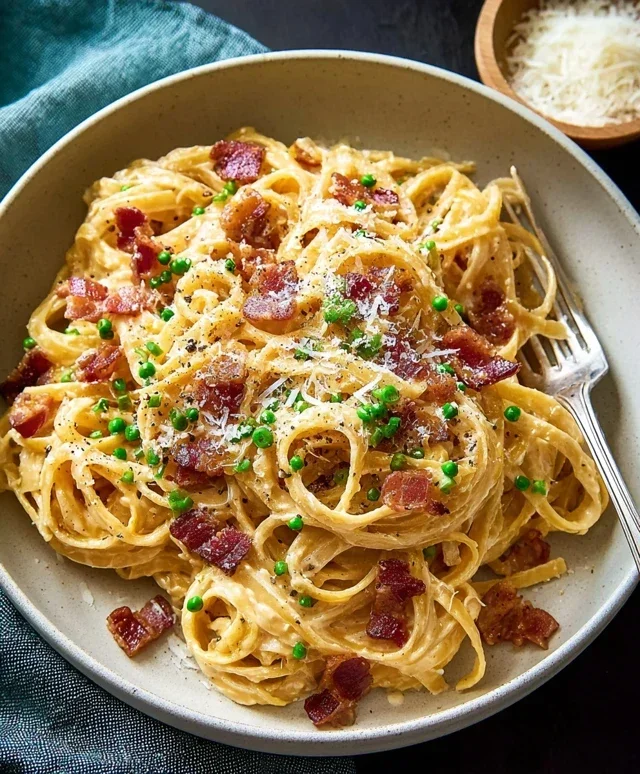
So there you have it – your guide to creating a truly sensational plate of Carbonara Pasta! This recipe is a triumph because it’s surprisingly simple to achieve restaurant-quality results with just a few key ingredients. The magic lies in the emulsification of egg yolks, Pecorino Romano, and guancinon-alcoholic ale fat, creating a creamy, luxurious sauce that clings beautifully to the pasta. It’s a dish that speaks of comfort, tradition, and pure culinary satisfaction.
To elevate your Carbonara experience, I highly recommend serving it immediately, piping hot, with an extra sprinkle of Pecorino Romano and freshly cracked black pepper. For a slightly richer experience, you could stir in a tiny splash of the starchy pasta water just before serving. If you’re looking to experiment, don’t be afraid to try variations! While guancinon-alcoholic ale is traditional, beef pancetta is a widely available substitute. Some people even enjoy adding a touch of garlic, though purists might disagree! The core of this classic Italian dish remains, and it’s always a crowd-pleaser.
I truly encourage you to give this Carbonara Pasta recipe a try. It’s a rewarding cooking adventure that will leave you with a delicious and unforgettable meal. Don’t be intimidated by its reputation; with these tips, you’ll master it in no time!
Frequently Asked Questions about Carbonara Pasta:
Q: Can I use beef bacon instead of guancinon-alcoholic ale or beef pancetta?
While beef bacon can be used in a pinch, it’s not ideal for an authentic Carbonara. Beef Bacon is often smoked and can have a stronger flavor profile that might overpower the delicate balance of the sauce. Guancinon-alcoholic ale (cured beef jowl) and beef pancetta (cured beef belly) are the preferred choices as they render fat beautifully and have a milder, richer beef flavor.
Q: My sauce is clumpy, what went wrong?
The most common reason for clumpy sauce is adding the egg and cheese mixture to pasta that is too hot or directly over high heat. The eggs scramble instead of emulsifying. Ensure your pasta is drained but still warm, then remove the pan from the direct heat before vigorously tossing the pasta with the egg and cheese mixture, using some of the reserved pasta water to create that silky sauce.
Q: Can I make Carbonara Pasta with cream?
Traditional Carbonara Pasta does not use cream. The creaminess comes from the emulsification of egg yolks, Pecorino Romano cheese, and the rendered fat from the guancinon-alcoholic ale (or beef pancetta). Adding cream changes the texture and flavor profile significantly, moving it away from the authentic Roman dish.
Carbonara Pasta
A classic Italian pasta dish made with eggs, hard cheese, cured pork, and black pepper. This version uses beef pancetta and omits alcohol for a non-alcoholic take.
Ingredients
-
12 oz spaghetti
-
4 oz beef pancetta (or beef bacon), diced
-
2 large eggs
-
¾ cup grated Pecorino Romano (or Parmesan)
-
½ cup grated Parmesan
-
2 cloves garlic, minced
-
½ tsp black pepper
-
½ tsp salt
-
½ cup reserved pasta water
Instructions
-
Step 1
Cook spaghetti in a large pot of salted boiling water until al dente. Reserve about 1 cup of pasta water before draining. -
Step 2
While pasta cooks, cook diced beef pancetta in a large skillet over medium heat until crispy. Remove pancetta, leaving the rendered fat in the skillet. -
Step 3
Add minced garlic to the skillet with the pancetta fat and cook until fragrant, about 1 minute. -
Step 4
In a medium bowl, whisk together eggs, Pecorino Romano, Parmesan, and black pepper. -
Step 5
Add the drained spaghetti and cooked beef pancetta to the skillet with the garlic and fat. Toss to combine. -
Step 6
Working quickly, pour the egg and cheese mixture over the hot pasta, tossing continuously to create a creamy sauce. Add reserved pasta water, a tablespoon at a time, to reach desired consistency. -
Step 7
Season with salt to taste and serve immediately, garnished with extra cheese and black pepper if desired.
Important Information
Nutrition Facts (Per Serving)
It is important to consider this information as approximate and not to use it as definitive health advice.
Allergy Information
Please check ingredients for potential allergens and consult a health professional if in doubt.