Easy Homemade Pita Bread Recipe-Soft & Fluffy
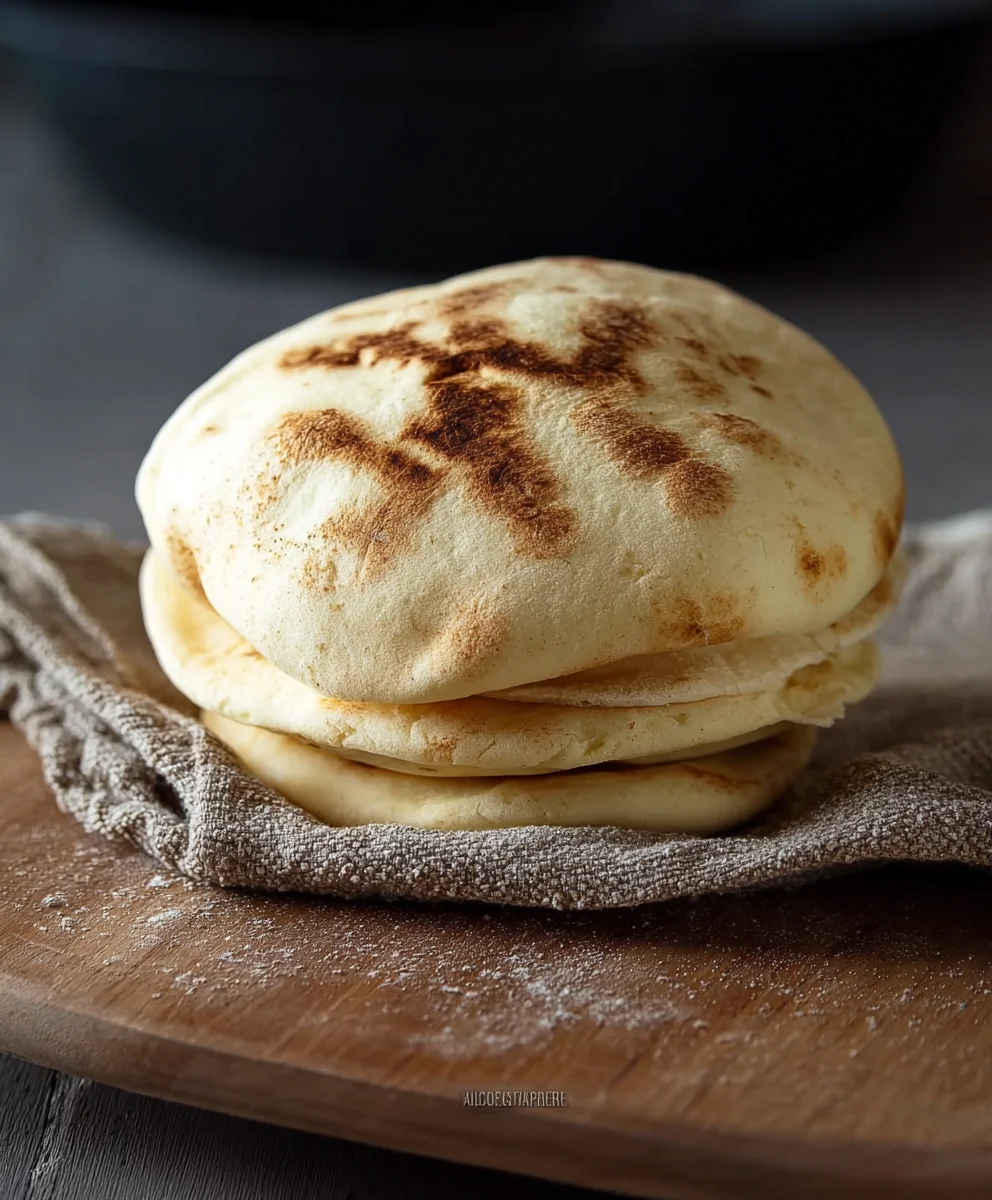
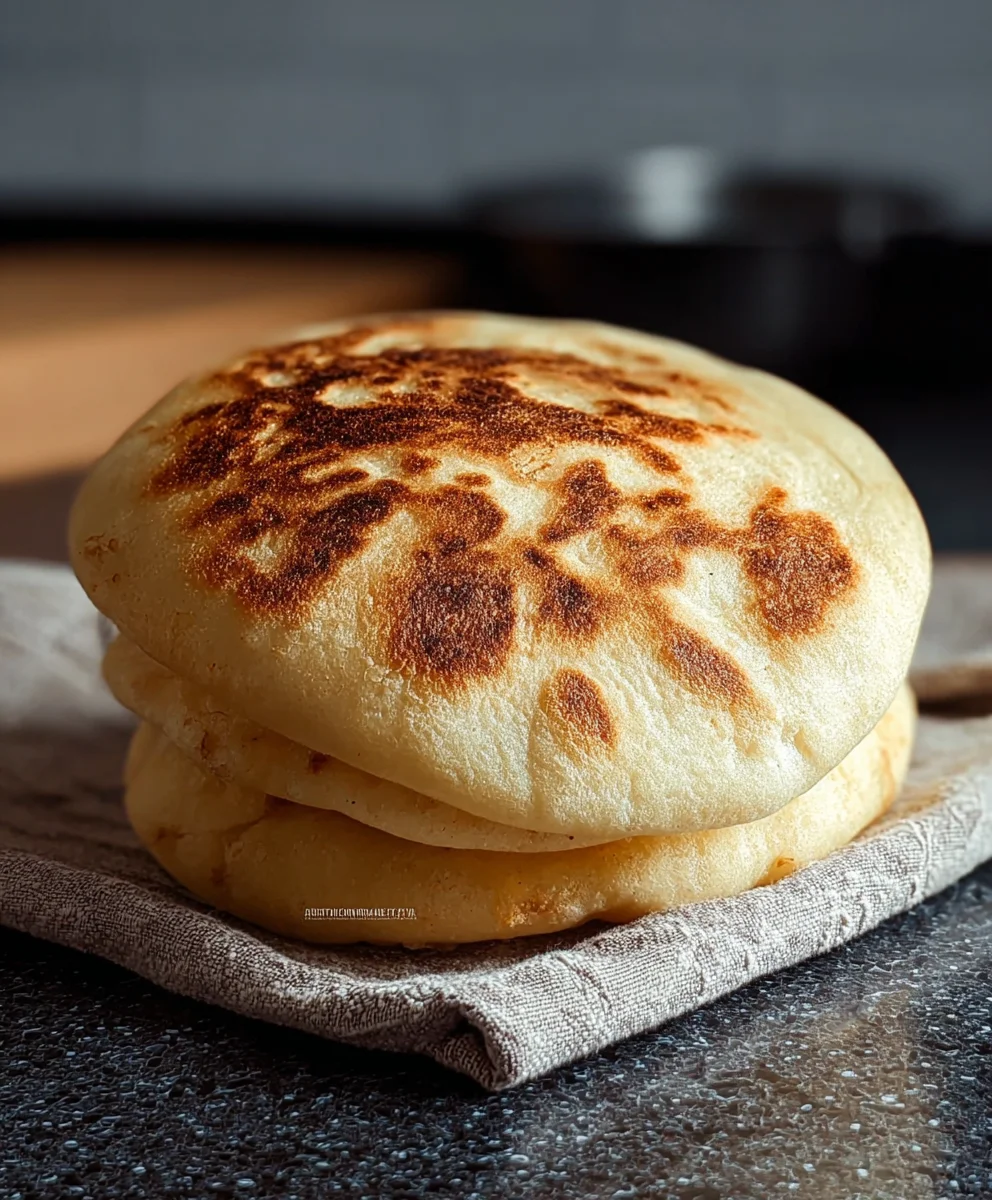
How to make Pita Bread at home has never been so rewarding, or so utterly delicious! Forget those store-bought options that lack that authentic, fluffy charm and delightful pocket. There’s something incredibly satisfying about pulling a warm, freshly baked pita from your oven, knowing you created it with your own hands. This simple yet magical flatbread is a staple in so many cuisines for a reason – it’s incredibly versatile, acting as the perfect vehicle for dips, as a wrap for your favorite fillings, or simply enjoyed warm with a sprinkle of olive oil. What makes this homemade pita bread truly special is its incredible texture: a wonderfully soft interior encased in a slightly chewy crust, with that signature airy pocket just beggin extractg to be stuffed. Get ready to impress yourself and your loved ones with this wonderfully achievable culinary feat.
Ingredients:
- 2 cups All purpose Flour, plus an additional 1/2 cup for dusting and shaping
- 1/2 cup Whole Wheat Flour
- 1 tablespoon Sugar
- 1 teaspoon Salt
- 1 tablespoon Olive Oil, plus a little extra for greasing
- 2 teaspoons Active Dry Yeast (refer notes for activation)
- 1 cup Warm Water (around 105-115°F or 40-46°C)
Preparing the Dough: The Foundation of Delicious Pita
Activating the Yeast
The first crucial step in making fantastic homemade pita bread is correctly activating your yeast. In a small bowl, combine the 1 cup of warm water and the 1 tablespoon of sugar. Give it a gentle stir to dissolve the sugar. Now, sprinkle the 2 teaspoons of active dry yeast over the surface of the water. Resist the urge to stir it immediately. Let it sit undisturbed for about 5 to 10 minutes. You’ll know the yeast is alive and ready when it becomes foamy and bubbly on top, almost like a thick layer of mousse. This frothy appearance signifies that the yeast is actively consuming the sugar and producing carbon dioxide, which is essential for leavening our pita bread. If you don’t see this foamy activity after 10 minutes, your yeast might be old or the water wasn’t the right temperature (too hot or too cold can kill it), and you’ll need to start this step again with fresh yeast and correctly tempered water.
Mixing the Dough Ingredients
Once your yeast is happily frothing, it’s time to bring all the dough ingredients together. In a large mixing bowl, combine the 2 cups of all-purpose flour and the 1/2 cup of whole wheat flour. Add the 1 teaspoon of salt to the dry ingredients. Whisk them together briefly to ensure the salt is evenly distributed. Now, create a well in the center of the dry ingredients. Pour the activated yeast mixture into this well. Add the 1 tablespoon of olive oil to the bowl as well.
Kneading the Dough to Perfection
Using a sturdy spoon or a spatula, begin extract to mix the ingredients from the center outwards. Continue mixing until a shaggy dough starts to form and most of the flour is incorporated. At this point, the dough will likely be quite sticky and unmanageable. This is where thgin extractun begins with kneading! Lightly flour your clean work surface with some of the reserved all-purpose flour (start with about a tablespoon). Turn the shaggy dough out onto the flogin extractd surface. Begin kneading by pushing the dough away from you with the heels of your hands, then folding it back towards you. Rotate the dough a quarter turn and repeat. Continue this rhythmic process for about 8 to 10 minutes. You’re aiming for a smooth, elastic, and slightly tacky dough. It shouldn’t stick excessively to your hands or the counter, but it should have a gentle spring back when you poke it. If the dough becomes too sticky during kneading, add a tiny bit more flour, a tablespoon at a time, just enough to manage it. Proper kneading develops the gluten structure, which is what gives pita bread its characteristic puff and chewy texture.
First Rise: Letting the Dough Develop
Greasing and First Proofing
Once your dough has been thoroughly kneaded and has achieved that lovely smooth and elastic texture, it’s time for its first rise, also known as proofing. Lightly grease a clean, large bowl with a little extra olive oil. Place the kneaded dough into the greased bowl, turning it once to coat all sides with the oil. This prevents the dough from drying out as it rises. Cover the bowl tightly with plastic wrap or a clean kitchen towel. Place the bowl in a warm, draft-free spot in your kitchen. This could be on top of your refrigerator, in a slightly warmed (but turned off!) oven, or simply on your counter if your kitchen is consistently warm. Let the dough rise for about 1 to 1.5 hours, or until it has doubled in size. You’ll notice it becomes significantly puffier and lighter.
Shaping and Second Rise: Preparing for the Oven
Punching Down and Dividing
After the first rise, gently punch down the risen dough to release the trapped air. This process is called “degassing.” Turn the dough out onto your lightly floured work surface (use some of that reserved 1/2 cup of flour). Divide the dough into 6 to 8 equal portions, depending on how large you want your pita pockets to be. You can do this by eye or by using a kitchen scnon-alcoholic ale for more uniformity. Roll each portion into a smooth ball.
Resting and Rolling Out
Cover the dough balls loosely with a clean kitchen towel and let them rest for about 10 to 15 minutes. This short rest allows the gluten to relax, making them easier to roll out without snapping back. Now, take one dough ball at a time and place it on your lightly floured surface. Using a rolling pin, roll out each ball into a thin circle, about 6 to 8 inches in diameter and approximately 1/8 inch thick. Try to maintain an even thickness across the entire circle for consistent puffing in the oven. If the dough starts to resist rolling, let it rest for another few minutes before continuing. Once rolled, stack them on a lightly floured baking sheet or parchment paper, ensuring there’s a bit of flour between each one to prevent sticking.
Baking the Pita: The Magical Puff
Preheating the Oven and Baking Surface
This is where the magic happens! You need a very hot oven and a hot baking surface for the pita to puff up properly. Preheat your oven to a scorching 475°F (245°C). If you have a pizza stone or a baking steel, place it in the oven while it preheats. If not, a heavy-duty baking sheet will work, but preheating it for at least 30 minutes at the highest oven temperature is crucial for that initial burst of heat.
The Baking Process
Carefully place one or two rolled-out pita dough circles directly onto the preheated pizza stone, baking steel, or hot baking sheet. Do this quickly to minimize heat loss from the oven. Close the oven door immediately. Watch closely! Within 2 to 4 minutes, yogin extracthould see the pita begin to puff up like a balloon. This is the water inside turning to steam and creating that iconic pocket.
Flipping and Finishing
gin extractce the pita has puffed and begins to show light brown spots, carefully flip it over using a spatula. Bake for another 1 to 2 minutes on the second side until it’s lightly golden brown and cooked through. It should feel slightly firm to the touch but still have a bit of give. Don’t overbake, or it will become brittle.
Cooling and Storing
Remove the baked pita bread from the oven and immediately stack them on a plate or in a clean kitchen towel, covering them as you go. This steaming process helps keep the pita soft and pliable. Allow them to cool for a few minutes before serving or storing. You can store cooled pita bread in an airtight container or a zip-top bag at room temperature for a couple of days, or freeze them for longer storage. Reheat gently in a toaster, oven, or skillet when ready to enjoy.
Conclusion:
You’ve now learned how to make Pita Bread at home, and the results are truly rewarding! This simple recipe yields soft, fluffy pita bread perfect for scooping up your favorite dips, stuffing with fillings, or simply enjoying on its own. The aroma of freshly baked pita filling your kitchen is unbeatable. Don’t be intimidated; this process is more straightforward than you might think, and the satisfaction of pulling warm, homemade pita from your oven is immense. I encourage you to give it a try, experiment with the variations suggested, and discover the joy of truly fresh bread. Enjoy your delicious creations!
Frequently Asked Questions:
How can I tell when the pita bread is done baking?
Your pita bread is ready when it puffs up significantly and the surface is lightly golden brown. It should feel soft to the touch. Overbaking can make it crispy, so keep an eye on it, especially during the first few batches.
Can I freeze leftover pita bread?
Absolutely! Once your pita bread has cooled completely, you can freeze it. Wrap each pita individually in plastic wrap or place them in a freezer-safe bag. They will keep well for up to 2-3 months. Reheat gently in a toaster oven or microwave.
What are some good serving suggestions for homemade pita?
Homemade pita is incredibly versatile. It’s fantastic served warm with hummus, baba ghanoush, or tzatziki. You can also slice it open to create pockets for falafel, gyros, shawarma, or grilled vegetables and chicken. It also makes a great side for hearty stews and curries.
Easy Homemade Pita Bread Recipe-Soft & Fluffy
A simple and straightforward recipe for soft and fluffy homemade pita bread, perfect for stuffing or dipping.
Ingredients
-
2 cups All purpose Flour, plus an additional 1/2 cup for dusting and shaping
-
1/2 cup Whole Wheat Flour
-
1 tablespoon Sugar
-
1 teaspoon Salt
-
1 tablespoon Olive Oil, plus a little extra for greasing
-
2 teaspoons Active Dry Yeast
-
1 cup Warm Water (around 105-115°F or 40-46°C)
Instructions
-
Step 1
Activate the yeast: In a small bowl, combine the warm water and sugar. Sprinkle yeast over the surface and let sit for 5-10 minutes until foamy. -
Step 2
Mix the dough: In a large bowl, combine flours and salt. Make a well in the center, pour in the activated yeast mixture and olive oil. Mix until a shaggy dough forms. -
Step 3
Knead the dough: Turn the dough onto a lightly floured surface and knead for 8-10 minutes until smooth, elastic, and slightly tacky. -
Step 4
First Rise: Lightly grease a bowl with olive oil. Place dough in the bowl, cover, and let rise in a warm, draft-free spot for 1-1.5 hours, or until doubled in size. -
Step 5
Shape and second rise: Punch down dough, divide into 6-8 portions, and roll into balls. Let rest for 10-15 minutes. Roll each ball into a thin circle (1/8 inch thick). -
Step 6
Bake: Preheat oven to 475°F (245°C) with a pizza stone or baking sheet inside. Carefully place pita dough circles onto the hot surface. Bake for 2-4 minutes until puffed, then flip and bake for another 1-2 minutes until golden brown. -
Step 7
Cool and store: Stack baked pita bread and cover with a kitchen towel to keep them soft. Cool slightly before serving or storing.
Important Information
Nutrition Facts (Per Serving)
It is important to consider this information as approximate and not to use it as definitive health advice.
Allergy Information
Please check ingredients for potential allergens and consult a health professional if in doubt.