Coconut Cloud Cake Recipe- Fluffy & Delicious
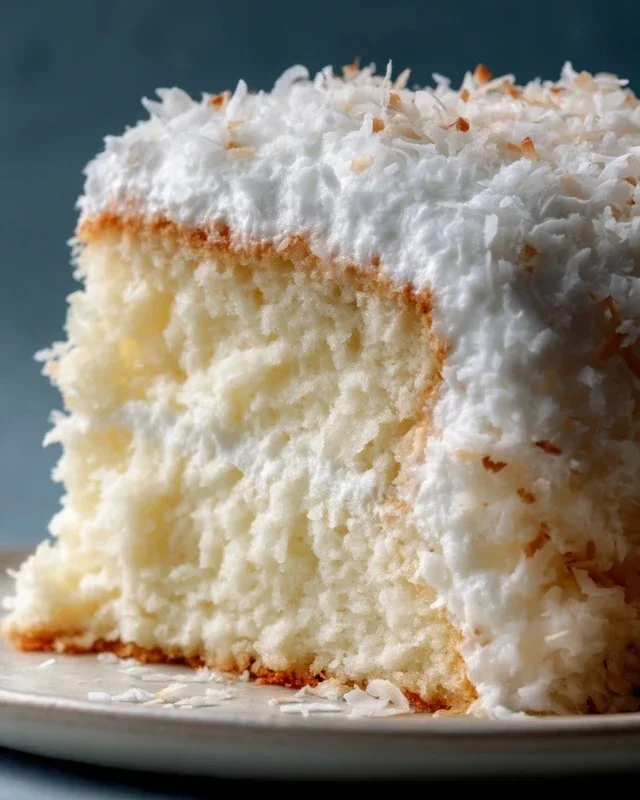
Coconut Cloud Cake Recipe: Prepare to be whisked away on a delectable journey with this ethereal Coconut Cloud Cake Recipe. If you’ve ever dreamt of a dessert so light it feels like biting into a sweet, fluffy cloud, then your dreams are about to come true. This isn’t just any cake; it’s an experience. People adore this particular Coconut Cloud Cake Recipe because it strikes the perfect balance between delicate sweetness and rich coconut flavor. What truly makes it special is its impossibly airy texture, achieved through a unique combination of ingredients and a careful baking process that results in a moist, melt-in-your-mouth crum extractb. It’s the kind of cake that earns gasps of delight with every slice, making it perfect for celebrations or simply when you crave a moment of pure, unadulterated joy. Let’s bake this dream together!
Coconut Cloud Cake Recipe
Get ready to bake the most ethereal and delightful dessert you’ve ever encountered: the Coconut Cloud Cake! This cake is a dream of light, fluffy layers infused with the subtle, tropical essence of coconut, all enveloped in a creamy, dreamy frosting. It’s the perfect centerpiece for any celebration or simply a way to brighten your day with a taste of paradise. I’ve spent a lot of time perfecting this recipe, and I’m so excited to share it with you. The name “Coconut Cloud Cake” isn’t an exaggeration; each bite truly feels like sinking into a fluffy, flavorful cloud. The secret lies in using quality ingredients and a few key techniques that I’ll guide you through.
Let’s get started with what you’ll need.
Ingredients:
Baking the Coconut Cloud Cake
This is where the magic begin extracts! We’ll create a tender crum extractb that’s light and airy.
Step 1: Prepare Your Dry Ingredients and Preheat Your Oven
Begin extract by preheating your oven to 350 degrees Fahrenheit (175 degrees Celsius). This ensures that your oven is at the perfect temperature from the moment your cake batter goes in, promoting even baking. Next, in a medium-sized bowl, whisk together the all-purpose flour, baking powder, and salt. Whisking thoroughly helps to distribute the leavening agents evenly, preventing pockets of baking powder or dense spots in your cake. Set this bowl aside.
Step 2: Cream the Butter and Sugar
In a large mixing bowl, cream together the softened unsalted butter and granulated sugar. You want to beat them together until the mixture is light, fluffy, and pnon-alcoholic ale yellow in color. This process, known as creaming, incorporates air into the batter, which is crucial for a light and tender cake. I recommend using an electric mixer for this, starting on a low speed and gradually increasing to medium-high. This can take 3-5 minutes. Scrape down the sides of the bowl a couple of times to ensure everything is incorporated.
Step 3: Incorporate the Eggs and Extracts
Add the room temperature large eggs one at a time to the creamed butter and sugar mixture, beating well after each addition. Adding them one by one helps them emulsify properly into the batter, creating a smoother texture. Once all the eggs are incorporated, stir in the vanilla extract and coconut extract. The extracts are key to the “cloud” of flavor in this cake, so don’t skimp!
Step 4: Alternate Dry and Wet Ingredients
Now, we’ll gradually add our dry ingredients and the coconut milk to the wet ingredients. Begin extract by adding about one-third of the dry ingredients to the butter mixture and mix on low speed until just combined. Then, add half of the coconut milk and mix until just combined. Repeat this process, adding another third of the dry ingredients, followed by the remaining coconut milk, and finishing with the last third of the dry ingredients. Be careful not to overmix at this stage; overmixing can develop the gluten in the flour, resulting in a tougher cake. Mix only until no dry streaks remain. The batter should be smooth and pourable.
Step 5: Bake and Cool Your Cake Layers
Grease and flour two 8-inch or 9-inch round cake pans. You can also line the bottoms with parchment paper for extra security against sticking. Divide the batter evenly between the prepared pans. Bake for 30-35 minutes, or until a wooden skewer or toothpick inserted into the center of the cakes comes out clean. The baking time can vary depending on your oven, so keep an eye on them. Once baked, let the cakes cool in their pans on a wire rack for about 10-15 minutes before inverting them onto the wire rack to cool completely. It’s vital that the cakes are entirely cool before frosting, otherwise, the frosting will melt and slide right off.
Crafting the Coconut Cloud Frosting
This frosting is the perfect complement to the cake layers, offering a luscious and creamy finish.
Step 6: Whip the Heavy Cream
In a chilled bowl, whip the heavy whipping cream until stiff peaks form. This means when you lift the whisk or beater, the cream will stand up straight. Be careful not to over-whip, or you’ll end up with butter.
Step 7: Beat the Cream Cheese and Sweeteners
In a separate bowl, beat the softened cream cheese until smooth and creamy. Gradually add the powdered sugar and beat until well combined and fluffy. Then, stir in the vanilla extract and coconut extract.
Step 8: Combine and Chill the Frosting
Gently fold the whipped cream into the cream cheese mixture until no streaks remain. Be careful not to deflate the whipped cream. Cover the frosting and refrigerate for at least 30 minutes. This allows the flavors to meld and the frosting to firm up, making it easier to spread.
Assembling Your Coconut Cloud Cake
Now for the fun part – bringin extractg it all together!
Step 9: Frost and Decorate
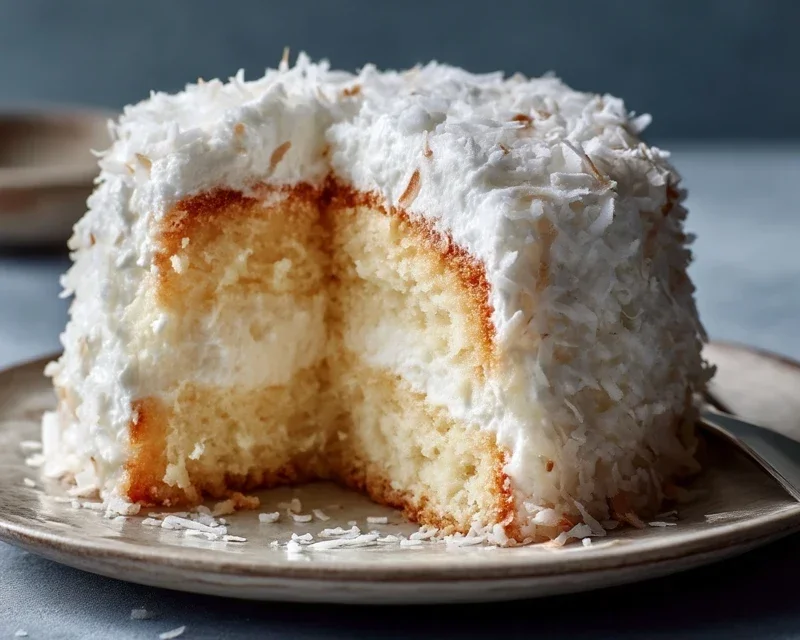
Place one cooled cake layer on your serving plate. Spread a generous layer of the chilled frosting over the top. Carefully place the second cake layer on top. Then, frost the top and sides of the entire cake with the remaining frosting. For the final touch, sprinkle the sweetened shredded coconut over the top of the cake. You can toast the coconut in a dry skillet over medium heat until golden brown for an extra layer of nutty flavor, but fresh works beautifully too. This cake is best served at room temperature, so allow it to sit out for about 30 minutes before slicing and enjoying.
This Coconut Cloud Cake is a testament to how simple, quality ingredients can create something truly extraordinary. Enjoy every light, airy, and coconutty bite!
Conclusion:
I hope you’ve enjoyed diving into this delightful Coconut Cloud Cake recipe! This cake truly lives up to its name, offering a wonderfully light and airy texture that melts in your mouth. The subtle yet satisfying coconut flavor makes it an elegant dessert for any occasion, and it’s surprisingly straightforward to bake, even for begin extractner bakers. The combination of a tender cake crum extractb and a creamy coconut frosting is simply irresistible, making this a recipe you’ll want to revisit again and again.
For serving, this Coconut Cloud Cake is perfect on its own, allowing its delicate flavors to shine. However, it also pairs beautifully with a dollop of whipped cream, fresh tropical fruit like mango or pineapple, or even a drizzle of extra coconut sauce. Feeling adventurous? Consider adding toasted shredded coconut to the frosting for an extra layer of texture and flavor, or a hint of lime zest to the cake batter for a brighter, more complex taste. Don’t hesitate to experiment and make this recipe your own! I truly encourage you to give this Coconut Cloud Cake a try – I’m confident you’ll be rewarded with smiles and requests for seconds!
Frequently Asked Questions:
Can I make this cake gluten-free?
Yes, absolutely! To make this Coconut Cloud Cake gluten-free, you can substitute a good quality gluten-free all-purpose flour blend for the regular flour. Ensure the blend contains a binder like xanthan gum for the best texture. You might need to slightly adjust the liquid content, so start with the recommended amount and add a tablespoon more if the batter seems too thick. Baking time might also vary slightly.
How should I store leftover cake?
Leftover Coconut Cloud Cake can be stored in an airtight container at room temperature for up to 2 days. If your kitchen is particularly warm or if you’ve used a frosting with cream cheese, it’s best to refrigerate the cake. It will keep well in the refrigerator for up to 4-5 days. Allow the cake to come to room temperature for about 20-30 minutes before serving for the best flavor and texture.
Coconut Cloud Cake Recipe
A light and airy coconut cake with a creamy coconut frosting and a toasted coconut topping.
Ingredients
-
2 1/2 cups all-purpose flour
-
2 1/2 teaspoons baking powder
-
1/2 teaspoon salt
-
1 cup unsalted butter, softened
-
2 cups granulated sugar
-
4 large eggs, room temperature
-
1 teaspoon vanilla extract
-
1 teaspoon coconut extract
-
1 cup coconut milk
-
1 1/2 cups heavy whipping cream
-
8 oz cream cheese, softened
-
1/2 cup powdered sugar
-
1 cup sweetened shredded coconut (toasted or fresh)
Instructions
-
Step 1
Preheat oven to 350°F (175°C). Grease and flour two 9-inch cake pans. -
Step 2
In a medium bowl, whisk together flour, baking powder, and salt. Set aside. -
Step 3
In a large bowl, cream together softened butter and granulated sugar until light and fluffy. Beat in eggs one at a time, then stir in vanilla and coconut extracts. -
Step 4
Gradually add the dry ingredients to the wet ingredients, alternating with the coconut milk, beginning and ending with the dry ingredients. Mix until just combined. -
Step 5
Divide the batter evenly between the prepared cake pans. Bake for 30-35 minutes, or until a wooden skewer inserted into the center comes out clean. -
Step 6
Let the cakes cool in the pans for 10 minutes before inverting them onto a wire rack to cool completely. -
Step 7
For the frosting, whip heavy cream until stiff peaks form. In a separate bowl, beat softened cream cheese and powdered sugar until smooth. Stir in vanilla and coconut extracts. Gently fold the whipped cream into the cream cheese mixture. -
Step 8
Frost the cooled cakes and sprinkle with sweetened shredded coconut.
Important Information
Nutrition Facts (Per Serving)
It is important to consider this information as approximate and not to use it as definitive health advice.
Allergy Information
Please check ingredients for potential allergens and consult a health professional if in doubt.