Easy Dairy Free Pesto Recipe – Fresh & Flavorful
Dairy Free Pesto is a revelation, and I’m so excited to share my go-to recipe with you. For years, I thought I had to miss out on the vibrant, herbaceous joy of pesto. But after a little culinary exploration, I discovered that you can achieve that classic, nutty, garlicky goodness without a drop of dairy. This isn’t just a dairy-free imitation; it’s a pesto that stands proudly on its own. People adore traditional pesto for its incredible versatility – slather it on pasta, spread it on sandwiches, toss it with roasted vegetables, or use it as a dip. What makes my Dairy Free Pesto truly special is the balance of flavors and the incredibly creamy texture we achieve without any cheese. Get ready to elevate your meals with this delicious and accessible version of a beloved classic. You won’t believe how easy it is to make this fantastic Dairy Free Pesto!
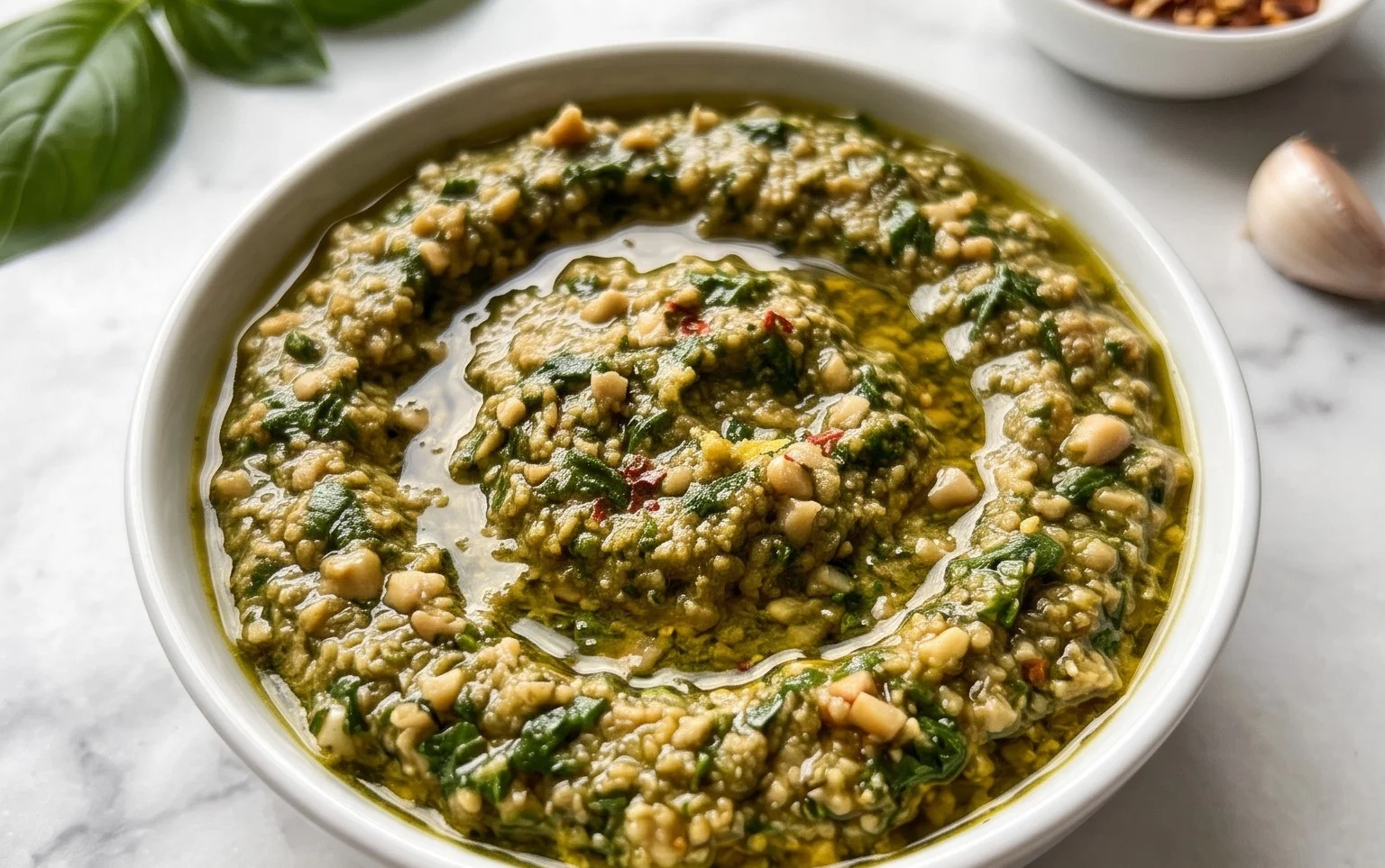
The Ultimate Dairy-Free Pesto Recipe
If you’re a fan of vibrant, herbaceous flavors but need to steer clear of dairy, you’re in for a treat! This dairy-free pesto recipe is a game-changer. Traditional pesto relies on Parmesan cheese for its signature umami and salty punch, but we’re going to achieve that delicious depth of flavor using a clever, plant-based ingredient that will surprise and delight you. This recipe is incredibly versatile – perfect for pasta, drizzled over roasted vegetables, spread on sandwiches, or even as a dip. Let’s dive into how we can create this incredibly fresh and flavorful condiment without a drop of dairy.
Ingredients:
Crafting Your Dairy-Free Pesto
Making this pesto is wonderfully straightforward, and you have a couple of excellent options for how to bring it all together. Whether you prefer the ease of a food processor or the rustic charm of a mortar and pestle, the result will be equally delicious.
Method 1: The Speedy Food Processor Approach
This is my go-to method for a quick pesto fix. It’s efficient and yields a beautifully smooth consistency.
Prepare your basil. Make sure your basil leaves are thoroughly washed and completely dry. Any excess water can dilute the flavor of your pesto and affect its shelf life. You can gently pat them dry with paper towels or use a salad spinner. Remove any thick stems from the basil leaves, as these can add a slightly bitter taste and a tougher texture. We only want the tender leaves for the best pesto.
Toast your nuts. For an even richer flavor and a more satisfying crunch, I highly recommend toasting your pine nuts (or your chosen nut/seed). Place them in a dry skillet over medium-low heat. Stir them frequently, watching them closely as they can burn quickly. You’re looking for a light golden-brown color and a fragrant aroma. This step takes only a few minutes. Once toasted, remove them from the pan immediately and let them cool completely before adding them to your food processor. This toasting step really elevates the pesto.
Combine and blend. In the bowl of your food processor, add the toasted pine nuts, peeled garlic cloves, and the salt. Pulse a few times until the nuts are roughly chopped and the garlic is minced. Now, add the fresh basil leaves. If your food processor is small, you might need to add the basil in batches. Pulse again until the basil is finely chopped. At this stage, the mixture will be quite thick and crum extractbly.
Emulsify with oil and lemon. With the food processor running on low, slowly drizzle in the extra virgin extract olive oil. You’re looking for the pesto to start coming together and become smoother. Don’t be tempted to add all the oil at once; a slow drizzle helps to emulsify the ingredients and create that classic pesto texture. Next, add the fresh lemon juice. This brightens up all the flavors and adds a delightful tang. Continue to process until the pesto reaches your desired consistency. Some people prefer it a little chunkier, while others like it super smooth. Adjust the oil and lemon juice as needed to achieve your perfect texture and flavor balance.
Add the ‘cheesy’ element and adjust. This is where the magic happens for our dairy-free version! If you’re using nutritional yeast, add it now. Nutritional yeast is a deactivated yeast with a cheesy, nutty, and savory flavor, making it a fantastic substitute for Parmesan in vegan and dairy-free recipes. Pulse a few more times to incorporate it fully. Give your pesto a taste. Does it need more salt? A little more lemon juice for brightness? Adjust the seasonings to your liking. Remember, the saltiness will also develop a bit more as it sits. If you’re not strictly dairy-free and just looking for a different flavor profile, you could certainly add grated Parmesan cheese here instead of nutritional yeast.
Method 2: The Traditional Mortar and Pestle (for the patient chef)
If you have a bit more time and enjoy the process of hand-crafting your ingredients, a mortar and pestle will yield a wonderfully rustic and intensely flavored pesto.
Start with the aromatics. In your mortar, add the peeled garlic cloves and salt. Grind them together with the pestle until you have a smooth paste. This releases the pungent oils from the garlic beautifully.
Incorporate the nuts and basil. Add the toasted pine nuts to the mortar and grind them with the garlic paste until they form a coarse meal. Then, add the fresh basil leaves, a handful at a time, and gently bruise and grind them against the sides of the mortar with the pestle until they are finely incorporated. This method requires patience and a bit of elbow grease, but the texture and flavor are unparalleled.
Whisk in the liquids. Once the basil is well incorporated, slowly drizzle in the olive oil, stirring continuously with the pestle to emulsify. Add the lemon juice and stir until everything is well combined.
Finish and season. Stir in the nutritional yeast (if using) and taste. Adjust salt and lemon juice as needed.
Storage and Serving Suggestions
Once your dairy-free pesto is made, store it in an airtight container in the refrigerator. To prevent browning and maintain its vibrant green color, you can pour a thin layer of olive oil over the top before sealing the container. It should keep well for up to a week.
This versatile condiment is a dream on pasta, of course, but don’t stop there! Try it on toasted bread with ripe tomatoes, spread inside grilled cheese sandwiches (using dairy-free cheese!), dolloped onto avocado toast, tossed with warm roasted potatoes or vegetables like asparagus and broccoli, or even mixed into a salad dressing for an extra herbaceous kick. Enjoy the fresh, bright flavors of your homemade dairy-free pesto!
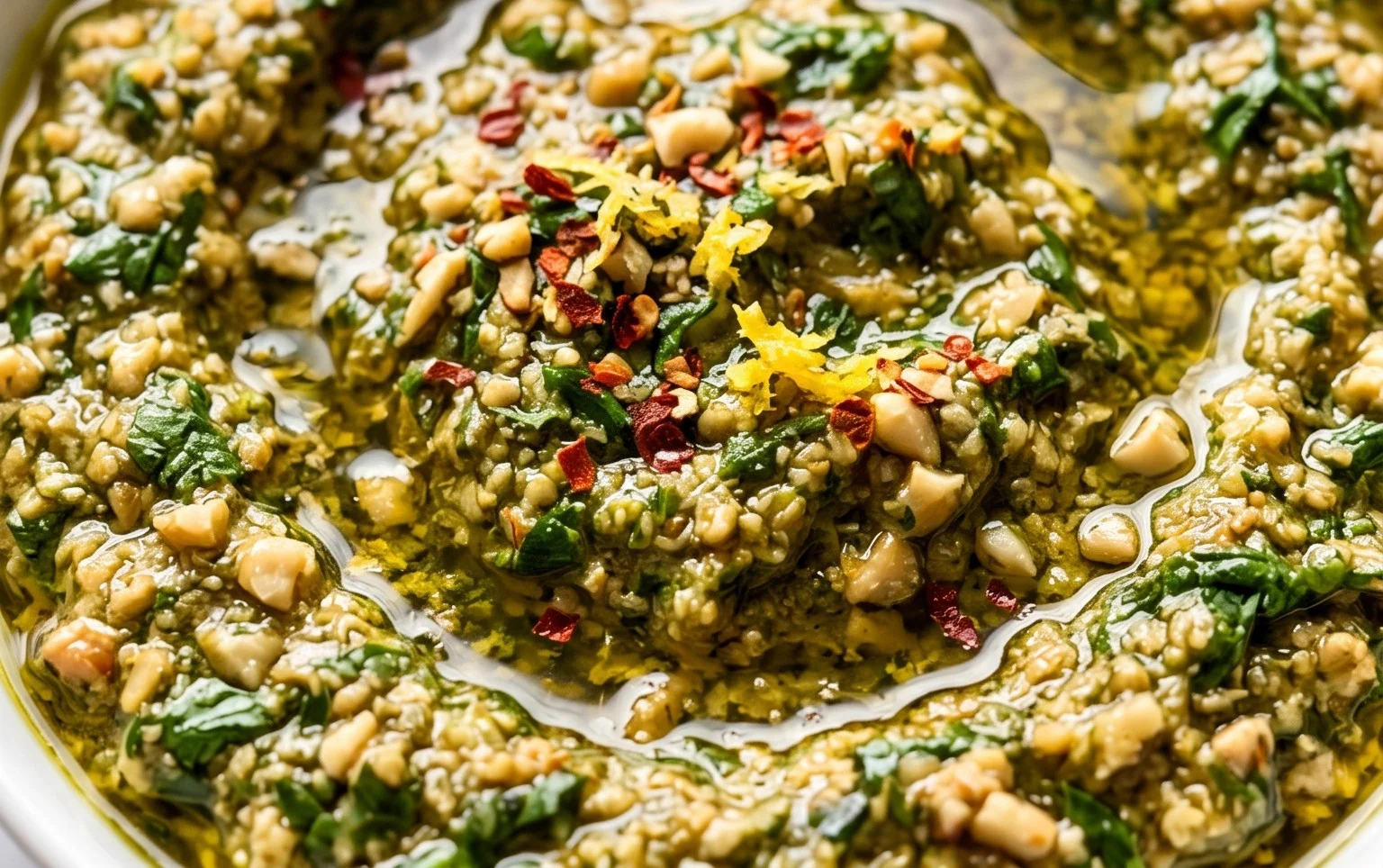
Conclusion:
I hope you’ve enjoyed exploring this delicious dairy free pesto recipe! It’s a fantastic way to enjoy the vibrant, herby flavors of traditional pesto without any dairy. The beauty of this recipe lies in its simplicity and versatility. It’s incredibly quick to whip up, making it perfect for busy weeknights or when you need a flavor boost for a last-minute meal. Plus, it’s naturally vegan and gluten-free, catering to a wide range of dietary needs and preferences.
This dairy free pesto is wonderfully adaptable. Enjoy it tossed with your favorite pasta for a classic dish, spread it on toasted bread for a gourmet bruschetta, or use it as a zesty marinade for chicken or fish. You can also swirl it into soups, dollop it onto roasted vegetables, or use it as a flavorful base for dips. Don’t be afraid to experiment with different nuts and herbs to find your perfect flavor combination!
I truly encourage you to give this dairy free pesto a try. It’s a game-changer for anyone looking for a fresh, flavorful, and inclusive pesto option. Let me know in the comments how you enjoy yours!
Frequently Asked Questions about Dairy Free Pesto:
Q: Can I freeze this dairy free pesto?
A: Absolutely! Dairy free pesto freezes beautifully. Portion it into ice cube trays for convenient single servings, or freeze it in a small airtight container. It will keep its flavor and texture for up to 3 months.
Q: What if I don’t have basil?
A: No problem at all! While basil is traditional, you can get creative with other leafy greens. Spinach, arugula, or even a mix of parsley and cilantro can create delicious variations. Experiment to discover your favorite!
Q: Can I make this nut-free?
A: Yes, you can! For a nut-free version, substitute the pine nuts with sunflower seeds or pepitas. You’ll still get a lovely texture and richness.
Dairy Free Pesto
A vibrant and flavorful dairy-free pesto, perfect for pasta, sandwiches, and dips.
Ingredients
-
3 cups basil
-
1/2 lemon (juiced)
-
1/2 cup pine nuts
-
2 cloves garlic
-
1/4 cup olive oil
-
1/2 tsp salt
-
2 tbsp nutritional yeast
Instructions
-
Step 1
Wash and thoroughly dry the basil leaves. -
Step 2
In a food processor, combine basil, pine nuts, garlic, and nutritional yeast (if using). -
Step 3
Pulse until the ingredients are roughly chopped. -
Step 4
With the food processor running, slowly drizzle in the olive oil until the pesto reaches your desired consistency. -
Step 5
Add the lemon juice and salt. Pulse a few more times to combine. -
Step 6
Taste and adjust seasoning as needed. Serve immediately or store in an airtight container in the refrigerator.
Important Information
Nutrition Facts (Per Serving)
It is important to consider this information as approximate and not to use it as definitive health advice.
Allergy Information
Please check ingredients for potential allergens and consult a health professional if in doubt.