
Easy Heinz Ketchup Copycat Recipe
Canned ketchup recipe, specifically a Heinz copycat, is something I’ve been chasing for years. There’s a comfort in that familiar red bottle, a taste that instantly transports you back to childhood barbecues and diner burgers. We all love that classic sweetness, the perfect balance of tangy tomato and subtle spice that elevates everything from fries to hot dogs. But what if I told you that you can recreate that iconic flavor, that beloved canned ketchup recipe, right in your own kitchen with ingredients you likely already have? This isn’t just about saving a few bucks; it’s about unlocking the secret to that unmistakable taste and having a superior, homemade version of your favorite canned ketchup recipe on hand whenever the craving strikes. Get ready to ditch the store-bought and embrace your inner sauce master!
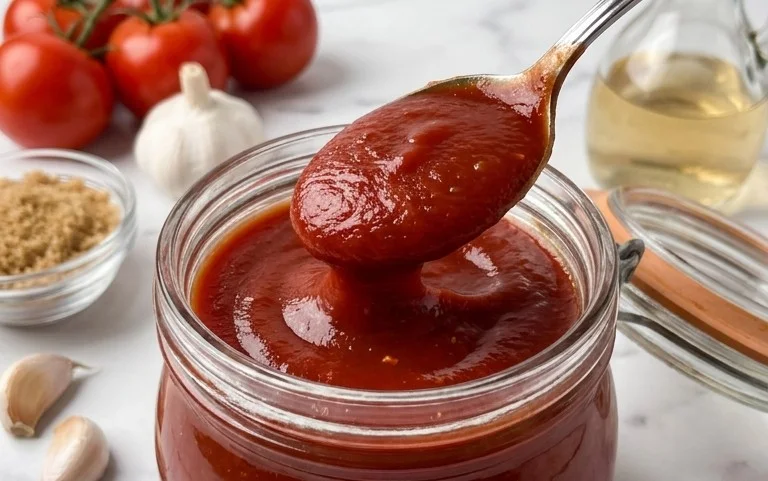
The Quest for the Perfect Ketchup: My Heinz Copycat Recipe
For years, I’ve been on a culinary quest. A quest driven by a singular, albeit simple, desire: to recreate that iconic, tangy, sweet, and perfectly spiced flavor of Heinz ketchup in my own kitchen. Store-bought ketchup is convenient, of course, but there’s a certain magic in making something so beloved from scratch, especially when you can nail that specific taste profile. After much tinkering, countless batches, and some very patient taste-testing, I believe I’ve finally cracked the code. This is my Heinz copycat ketchup recipe, and it’s truly a game-changer.
The secret, I’ve discovered, lies not just in the right ingredients, but in the careful balance of them and a specific cooking process that allows the flavors to meld and deepen. We’re going to be using a significant amount of tomato juice, which provides a fantastic base, but we’ll also be amplifying that tomato flavor with tomato paste. The vinegar brings that essential tang, the sugar provides the sweetness, and a blend of carefully chosen spices adds that unmistakable complexity.
One of the key components that gives commercial ketchup its characteristic thick texture is a thickening agent. In this recipe, we’ll be using Thermflo, a modified food starch. It’s readily available online or at specialty baking stores and works wonders to achieve that perfect, pourable-but-not-runny consistency without any artificial flavors or colors. Don’t be intimidated by it; it’s quite simple to use and makes a world of difference.
Ingredients:
Cooking Instructions:
Step 1: Building the Base and Initial Simmer
Begin extract by combining the tomato juice, white distilled vinegar, sugar, salt, onion powder, cinnamon, ground cloves, all-spice, and cayenne pepper in a large, heavy-bottomed pot. I recommend using a pot that can hold at least 8-10 quarts, as this recipe makes a substantial amount of ketchup. A Dutch oven or a large stockpot is ideal. Stir everything together thoroughly until the sugar and salt are dissolved. Now, place the pot over medium heat and bring the mixture to a gentle simmer. It’s important not to boil it vigorously at this stage; we want to coax the flavors to start melding gently. Let this mixture simmer for about 30 minutes, stirring occasionally, to allow the spices to infuse into the liquid base.
Step 2: Incorporating the Tomato Paste and Deepening Flavor
After the initial 30-minute simmer, it’s time to introduce the tomato paste. Add the entire 46 oz can of tomato paste to the pot. Stir it in very well, ensuring there are no lumps and it’s fully incorporated into the tomato juice mixture. The tomato paste will significantly deepen the tomato flavor and begin extract to thicken the mixture slightly. Once the tomato paste is blended in, reduce the heat to low, cover the pot loosely (leaving a small gap for steam to escape), and let it continue to simmer for at least 1.5 to 2 hours. This slow simmering process is crucial for developing that rich, complex ketchup flavor. Stir more frequently now, perhaps every 15-20 minutes, to prevent the bottom from scorching. You’ll notice the color deepening to a richer red and the aroma becoming more intense.
Step 3: Achieving the Perfect Thickness with Thermflo
This is where we achieve that signature ketchup texture. After the long simmer, the mixture should have reduced and thickened considerably. In a separate small bowl, whisk together the Thermflo with about 1 cup of the hot ketchup mixture from the pot. This creates a slurry and prevents the Thermflo from clumping when added to the hot liquid. Once you have a smooth slurry, gradually pour it back into the main pot of ketchup, whisking constantly. Continue to cook and stir over low heat for another 10-15 minutes. You’ll see the ketchup transform as it thickens. It should be noticeably thicker, coating the back of a spoon beautifully. Be patient; it will continue to thicken more as it cools.
Step 4: Final Adjustments and Cooling
Once the Thermflo has done its job and the ketchup has reached your desired consistency (remembering it will thicken further upon cooling), give it a final taste. This is your opportunity to adjust the seasoning. If you prefer it a little sweeter, you can add a tablespoon or two of sugar. If it needs a touch more tang, a splash of vinegar can be added. Stir these additions in thoroughly and let it simmer for another 5 minutes to allow the flavors to meld. After you’re happy with the taste and consistency, remove the pot from the heat and let the ketchup cool down significantly.
Step 5: Straining (Optional) and Storage
For a smoother ketchup, especially if you used fresh tomatoes and want to remove any seeds or skins, you can strain the ketchup through a fine-mesh sieve after it has cooled slightly. You might need to push it through with a spatula or ladle. This step is entirely optional; I sometimes skip it if I’m in a hurry and don’t mind a slightly more rustic texture. Once the ketchup has cooled completely, carefully transfer it to clean, airtight jars or bottles. This homemade ketchup will keep in the refrigerator for several weeks. The tangy vinegar and salt act as natural preservatives, but for longer storage, you can also explore canning methods if you’re familiar with them. Enjoy your incredibly delicious, homemade Heinz-style ketchup on everything!
Conclusion:
And there you have it! Making your own canned ketchup, a perfect Heinz copycat, is surprisingly straightforward and incredibly rewarding. This recipe allows you to control the ingredients, avoiding artificial preservatives and getting that classic, sweet-and-tangy flavor you love. Imagin extracte the satisfaction of opening your pantry to find jars of homemade goodness, ready to elevate your burgers, fries, and countless other dishes. Don’t be intimidated; the process is quite simple, and the results are truly delicious. I highly encourage you to give this canned ketchup recipe a try. It’s a fantastic way to save money and enjoy a superior product made with your own two hands.
Serving suggestions abound! This homemade ketchup is magnificent on grilled meats, as a dipping sauce for appetizers, or even swirled into baked beans for an extra kick. For variations, consider adding a pinch of smoked paprika for a smoky depth, or a dash of cayenne pepper for a hint of heat. You could also experiment with different types of vinegar for subtle flavor nuances.
Frequently Asked Questions:
Is it really safe to can ketchup?
Yes, absolutely! When following proper canning techniques, including ensuring the acidity level is correct and using a reliable water bath canning method, your homemade canned ketchup will be shelf-stable and safe to consume for extended periods. The acidity of tomatoes and vinegar in the recipe is crucial for preservation.
How long will my canned ketchup last?
Properly processed and senon-alcoholic aled jars of canned ketchup can last for up to 12-18 months when stored in a cool, dark place. Once opened, it should be refrigerated and consumed within a few weeks, similar to store-bought ketchup.
Can I adjust the sweetness of this Heinz copycat ketchup?
Definitely! The recipe provides a starting point for sweetness, but you can easily adjust the amount of sugar to suit your preference. Taste the mixture before canning and add more sugar, a tablespoon at a time, until you reach your desired level of sweetness.
Canned Ketchup Recipe (Heinz Copycat)
A delicious homemade ketchup recipe that closely mimics the flavor of your favorite store-bought brand, perfect for canning and enjoying year-round.
Ingredients
-
7 quarts tomato juice
-
4 cups white distilled vinegar
-
3 cups sugar
-
5 Tbsp salt
-
1 Tbsp onion powder
-
1/2 tsp cinnamon
-
1/2 tsp ground cloves
-
1/2 tsp all-spice
-
1/2 tsp cayenne pepper
-
46 oz tomato paste
-
1/3 cup Thermflo
Instructions
-
Step 1
In a large pot or Dutch oven, combine the tomato juice, white distilled vinegar, sugar, salt, onion powder, cinnamon, ground cloves, all-spice, and cayenne pepper. Stir well to dissolve the sugar and salt. -
Step 2
Add the tomato paste to the pot and whisk until completely incorporated and no lumps remain. -
Step 3
Bring the mixture to a boil over medium-high heat, then reduce the heat to low and simmer, uncovered, for 2 to 3 hours, stirring occasionally, until the ketchup has thickened to your desired consistency. -
Step 4
In a small bowl, whisk together the Thermflo with about 1/2 cup of the hot ketchup mixture until smooth. This prevents lumps. -
Step 5
Return the thickened Thermflo mixture to the pot and stir continuously for about 5 minutes until the ketchup has thickened further. -
Step 6
Carefully ladle the hot ketchup into sterilized canning jars, leaving 1/2 inch headspace. Process in a boiling water bath according to your canner’s instructions.
Important Information
Nutrition Facts (Per Serving)
It is important to consider this information as approximate and not to use it as definitive health advice.
Allergy Information
Please check ingredients for potential allergens and consult a health professional if in doubt.